

Luxury hotels are expanding wellness beyond the familiar spa menu, giving guests more choice in how they rest, recover and maintain personal routines while travelling. Botanical products now sit alongside sleep programs, guided movement and nutrition-focused dining, but premium hospitality demands more than an attractive label. Safe use, thoughtful design and credible information shape the experience from check-in to checkout.
For hotels, resorts and private retreats, the opportunity is clear: create wellness offerings that feel personal and refined without drifting into vague promises. That requires careful product selection, staff training and a firm grasp of local rules.
Wellness Is Becoming Part of the Whole Stay
Hotel wellness once centred on massages, fitness rooms and perhaps a healthier room-service menu. Those features remain valuable, though guests increasingly expect wellness to influence the full property. Lighting supports sleep, restaurant menus accommodate dietary preferences and outdoor spaces invite quiet breaks from packed schedules.
This reflects the broader growth of wellness in hospitality. A business traveller may want a short mobility session after a long flight, while a leisure guest might appreciate a caffeine-free botanical tea before bed. Neither request requires an intensive retreat. Small options placed at useful points during the stay can make wellness feel accessible.
Luxury properties can begin with practical touchpoints. A minibar might include clearly labelled herbal drinks, while the turndown service could offer a choice of pillow mist or unscented linen. A morning menu can identify ingredients and allergens without presenting food as medicine.
Consistency matters here. If a hotel promotes rest as a central part of its brand, bright corridor lighting and late-night maintenance noise quickly weaken that message. The strongest programs connect operations, design and guest service so that every wellness feature feels intentional.
Botanical Products Require Careful Selection
“Botanical wellness” covers a wide range of plant-derived products, including teas, skincare, aromatherapy and regulated cannabis products where local law permits them. Each category carries different requirements. A lavender room spray and an ingestible product shouldn’t pass through the same review process simply because both feature plant-based ingredients.
Procurement teams should first confirm the product’s ingredients, intended use, storage needs and shelf life. They also need to examine testing documents, supplier practices and packaging. Clear labels should state serving information, allergens, and relevant cautions in language guests can understand.
Regulated cannabis calls for especially firm boundaries. Adults in legal markets may choose to buy pot online from a licensed local dispensary that serves its stated delivery or pickup area, but hotels should never imply that such products are universally legal or suitable for every guest. A property must check municipal rules, smoking and vapour policies and age restrictions before providing any information. International travellers also need reminders that products cannot be carried across national borders.
The hotel’s role is to offer accurate guidance about its own policies, not personal medical advice. Staff should direct health questions to a qualified professional and avoid claims that a botanical product can diagnose, treat or cure a condition. This measured approach protects the guest experience while preserving the credibility expected of a premium property.
Thoughtful Design Makes Wellness Feel Luxurious
Luxury wellness works best when it removes friction. Guests should be able to understand an offering, decide whether it suits them and use it comfortably without reading a dense brochure. This principle applies to everything from an in-room tea ritual to a bookable meditation session.
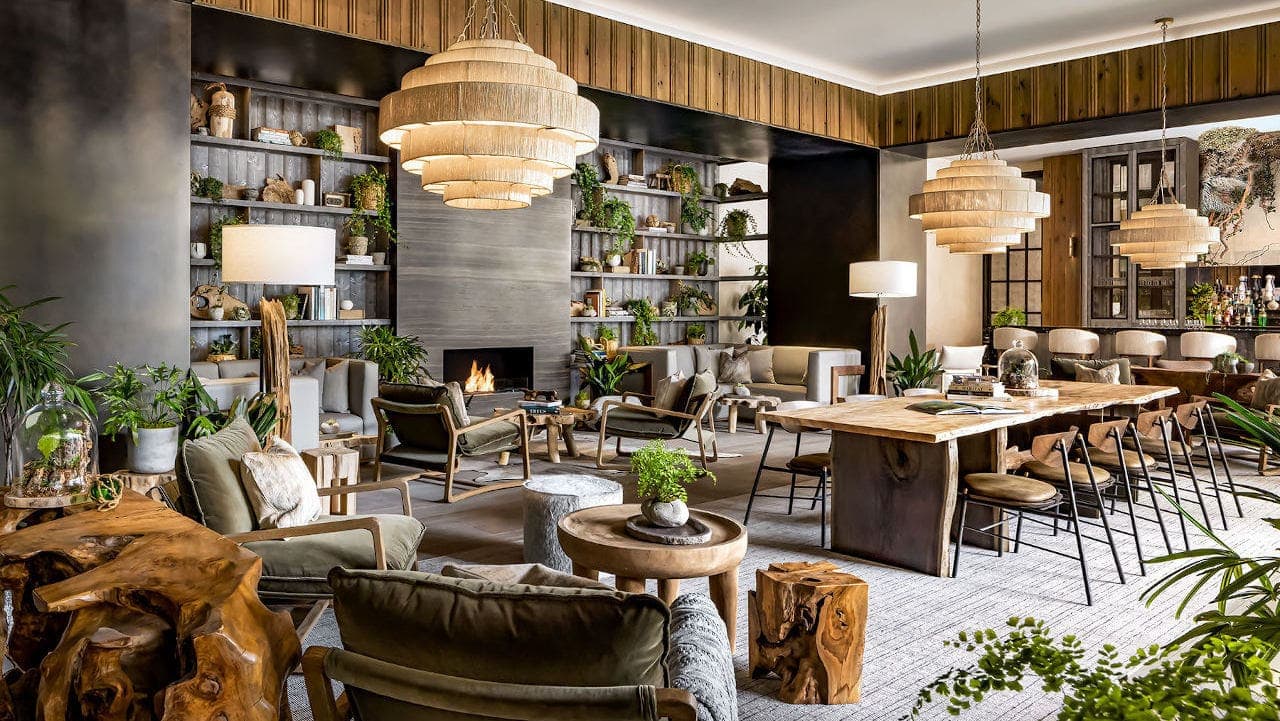
Treating wellness as part of luxury hospitality design and strategy can help prevent amenities from feeling like unrelated add-ons. A hotel might create a small evening station with herbal tea, ceramic cups and simple brewing instructions. The experience feels premium because each detail has been considered, from water temperature to the tray’s placement.
Choice also signals care. Fragrance can help some guests relax, but it can trigger headaches or sensitivities for others. Offer unscented rooms and make scented amenities optional. The same principle applies to food, skincare and fitness activities: explain what’s included and let the guest opt in.
Digital tools can keep the physical environment uncluttered. A QR code may lead to ingredient lists, session schedules and accessibility details, while the room itself remains calm and visually restrained. Printed information should still be available for guests who prefer it.
Above all, the design should suit the property. A mountain lodge may focus on outdoor recovery and locally grown herbal teas. An urban hotel could emphasize sleep support, compact movement sessions and treatments designed around long flights or full workdays.
Staff Confidence Protects the Guest Experience
A beautiful botanical display loses its appeal when employees can’t explain what it contains or how guests should use it. Training needs to cover more than product names. Front desk, spa, food service and housekeeping teams should understand the property’s policies, know when to refer a question and use consistent language.
A short training module can address the essentials:
- What each product is and where it’s available
- Which items contain common allergens or active ingredients
- What staff may explain and what requires professional advice
- How to respond if a guest reports discomfort
- Which local restrictions affect possession, consumption or transport
Role-playing is useful for situations that don’t fit a script. Imagine that a guest asks whether an herbal supplement is safe with prescribed medication. The correct response is a polite referral to a pharmacist or physician, not an improvised answer. If someone asks where consumption is permitted, staff should explain the hotel policy and applicable local rules without making assumptions.
As travellers increasingly look for more meaningful wellness experiences, expectations around authenticity are also rising. Employees don’t need to act like wellness practitioners, but they should be able to explain why an amenity exists. A bedtime tea offered because it fits the property’s evening routine feels more credible than a trendy product placed in the room without context.
Managers should refresh training when menus, suppliers or regulations change. A quarterly review keeps information current and gives staff a chance to share common guest questions.
Credibility Comes From Proof and Restraint
Premium branding can tempt businesses to use ambitious language, especially around natural ingredients. Yet terms such as “clean”, “detoxifying” and “healing” may be poorly defined or unsupported. Precise descriptions sound more trustworthy. List the ingredients, explain the sensory experience and state how the product is intended to be used.
Hotels can ask suppliers for batch testing, production standards and evidence behind specific claims. Local sourcing is valuable when it can be verified, though proximity alone doesn’t guarantee quality or environmental responsibility. Teams should ask how plants are grown, how packaging is made and what happens to unused stock.
Some luxury hotels are making wellness more sustainable by connecting guest wellbeing with measures that reduce waste and improve sourcing. Refillable dispensers, durable treatment tools and accurately forecast inventory can reduce waste while maintaining an elevated presentation.
Guest feedback offers another useful check. Ask specific questions instead of requesting a general rating. Did the instructions make sense? Was the scent comfortable? Did booking take too long? Would the guest use the amenity again? These answers can reveal small issues that broad satisfaction scores miss.
Restraint builds confidence. A hotel that explains what a botanical offering can reasonably provide, acknowledges its limits and respects each guest’s choice creates a more credible form of luxury.
The Next Phase Is Personal, Clear and Responsible
Premium botanical wellness will keep evolving as guests seek experiences that fit their routines and values. The most successful hotels won’t chase every new ingredient or wellness trend. They’ll select a few offerings that suit the property, document why they were chosen and present them with clear guidance.
That may result in a tightly edited tea menu, a fragrance-free sleep kit or a spa treatment built around a traceable regional plant. In places where regulated adult-use products are legal, it also means setting precise policies and communicating them without hype.
Luxury is expressed through judgement as much as abundance. When a botanical program gives guests genuine choice, supports staff with dependable information and considers its environmental cost, the details feel considered. That quiet sense of care is what guests are likely to remember after they leave.