


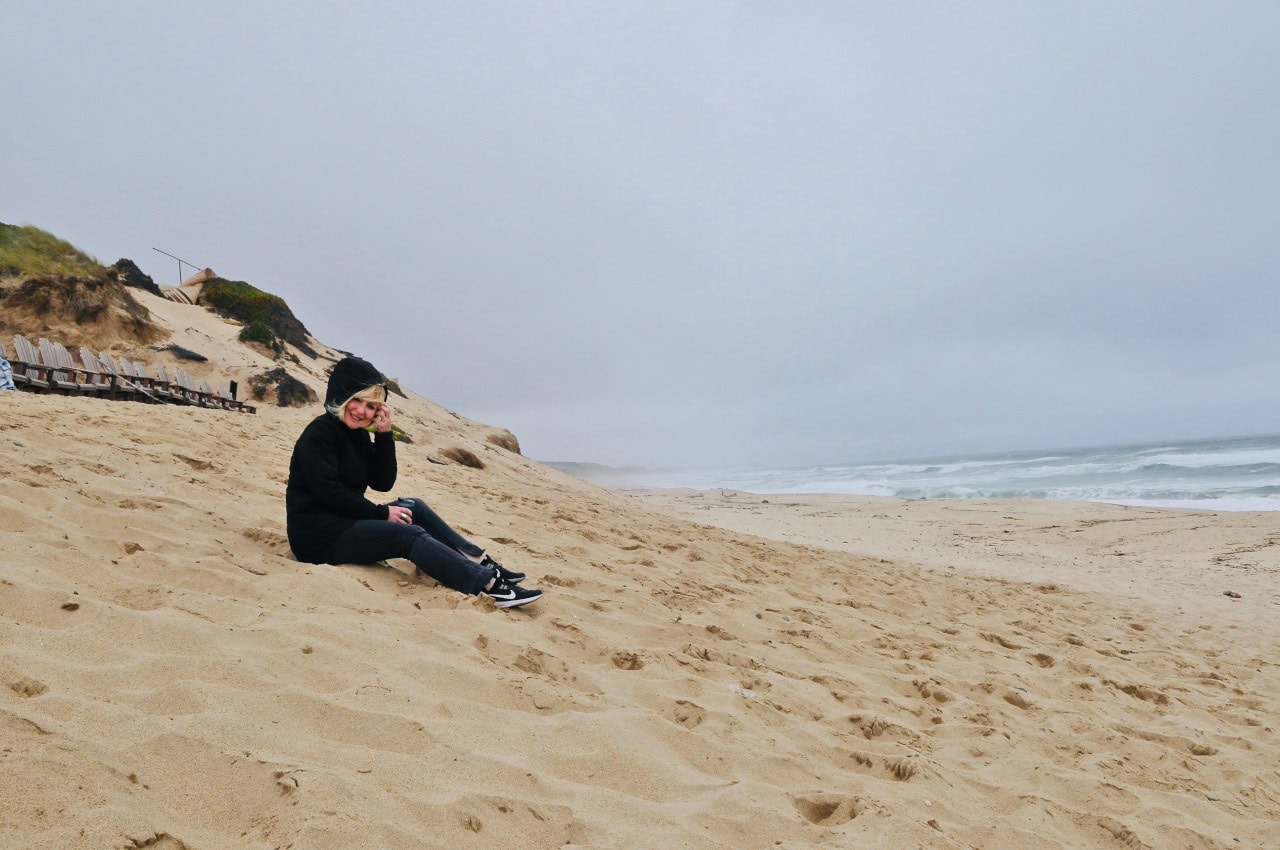
Coastal getaways are becoming more personal, design-conscious and deliberately quiet. For many couples, the ideal escape now centers on privacy, natural beauty and enough unstructured time to reconnect. Instead of filling an itinerary with activities, they’re choosing smaller properties where mornings begin slowly, and the sea sets the pace.
This shift also reflects a broader view of luxury. Space, silence, and attentive service often feel more valuable than an oversized lobby or a packed entertainment schedule. A well-chosen coastal retreat gives couples room to enjoy each other’s company without sacrificing comfort or style.
The Evolution of Boutique Hospitality
Boutique hospitality has moved beyond decorative interiors and a limited room count. The strongest properties now create a clear sense of place through local materials, thoughtful architecture, and service that adapts to each guest. Coastal hotels might frame ocean views through open-air spaces, use native landscaping, or serve regional dishes in relaxed settings.
Travelers are also showing interest in quiet luxury travel, where calm environments and discreet attention carry more weight than flashy displays. For couples, this approach makes a stay feel personal. Staff may remember a preferred breakfast time or suggest a peaceful swimming spot, while the property’s smaller scale keeps the atmosphere warm and composed.
Privacy Over Large-Scale Amenities
Couples planning a restorative break should look closely at how a hotel handles privacy. An adults-only setting, oceanfront rooms, and natural surroundings can create separation from everyday distractions without leaving guests isolated from the destination.
For couples seeking this atmosphere, a romantic resort can offer an adults-only setting, ocean views, and thoughtful design within a peaceful coastal environment. When comparing options, examine the room layout as carefully as the amenity list. Private terraces, well-spaced seating areas, and rooms positioned away from busy common spaces can shape the entire stay.
It also helps to ask about occupancy levels and nearby construction before booking. Those practical details often reveal more about potential noise than polished marketing photos do.
Finding the Perfect Secluded Haven
Start with the kind of seclusion you actually want. Some couples prefer a remote property where most meals and activities happen on-site. Others want a peaceful base within a short walk or drive of restaurants, cultural sites, and beaches. The second option can provide flexibility without placing you in the middle of a crowded district. Exploring romantic boutique destinations can also help couples discover properties that combine privacy, distinctive surroundings, and memorable experiences.
A curated list of coastal hotels for couples can help establish useful points of comparison across destinations. As you review potential stays, check recent guest photos, map the surrounding area, and read comments about nighttime noise. Confirm transfer times too. A hotel that appears close to an airport may still require a lengthy drive, ferry ride, or limited seasonal connection.
Aim for at least three nights. The first day often disappears into travel and settling in, while a longer stay leaves room for an unscheduled afternoon by the water.
Designing Spaces for Meaningful Connection
Physical surroundings influence how couples spend their time. Rooms with comfortable outdoor seating invite long conversations, while an uncluttered layout makes it easier to relax. Soft lighting, ocean views, and natural textures can bring a sense of calm without making the space feel staged.
Shared areas matter as well. An intimate restaurant, a shaded terrace or a quiet pool gives guests somewhere to linger beyond their room. Before booking, study property photos for places that support the experience you want. If you enjoy early mornings, look for an east-facing terrace or easy beach access. If evenings matter more, prioritize sunset views and inviting dining spaces.
Couples can also protect the atmosphere they traveled to find. Keep one day free of reservations, put phones away during meals, and resist the urge to document every view. These small choices turn an attractive setting into genuine time together.
The best intimate coastal escape leaves space for simple rituals: coffee overlooking the water, an afternoon swim, and dinner that doesn’t need to end at a set time. Choose a property that makes those moments easy, then allow the destination to remain pleasantly unplanned.
Top image: Mark Keast