

Cannabis has moved from hand-drawn counterculture imagery to carefully designed boutiques, curated product menus and premium accessories. That shift reflects changing laws, consumer expectations and attitudes toward personal wellness and leisure.
Luxury has also taken on a different meaning within the category. Price remains part of the picture, but shoppers increasingly associate premium cannabis with transparent sourcing, thoughtful design, knowledgeable service and a polished experience. The result is a market that now shares visual and cultural cues with beauty, fashion, hospitality and specialty food.
From Counterculture Symbol to Mainstream Product
For decades, cannabis culture developed through close-knit communities, independent publications and activist networks. Its visual identity often emphasized rebellion and secrecy, partly because prohibition shaped how people could discuss, access and represent the plant.
Legalization and decriminalization changed that dynamic in several jurisdictions. Cannabis entered regulated retail settings where customers could ask questions, compare formats and read product details in a more conventional environment. Broader discussions of cannabis in contemporary culture now examine its connections to music, design, wellness and social change.
The transition has been gradual and uneven. Long-standing stereotypes haven’t disappeared, while rules differ significantly across countries and regions. Still, the broader evolution of cannabis culture shows how a once-hidden subculture became visible in mainstream retail and lifestyle media.
That visibility changed the audience. Modern shoppers can include experienced consumers, curious adults and people returning to cannabis after many years away. Each group brings different expectations, so retailers have had to communicate more clearly. Labels, trained staff and organized menus now carry far more weight than insider language or novelty branding.
Shopping Becomes a Curated Experience
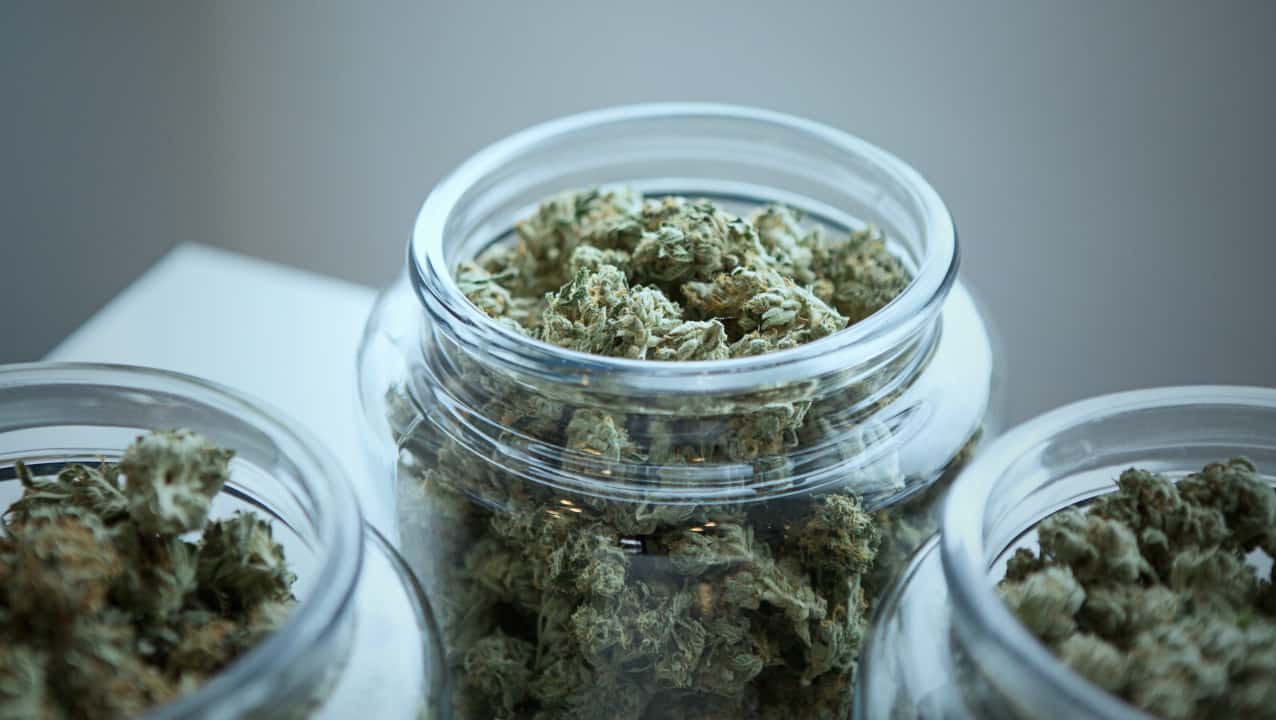
The contemporary cannabis store often borrows from high-end skincare boutiques and specialty food shops. Clean displays, controlled lighting and restrained colour palettes help products feel approachable. Staff may guide customers through formats, potency labels and intended occasions without assuming prior knowledge.
Price still matters, even in a lifestyle category shaped by premium design. A shopper might compare a special release with an everyday option, much as someone would weigh a limited-edition fragrance against a familiar staple. Retail calendars and dispensary deals can help eligible adults compare promotions on formats such as vapes, pre-rolls and concentrates before visiting or placing an order where legally available.
A polished setting shouldn’t replace careful reading. Start with the product label and confirm the cannabinoid content, package size and recommended storage conditions. Check local rules on legal age, possession and public consumption as well. If you’re unfamiliar with a format, ask how it differs from products you already know and begin with the smallest practical purchase.
Good service also includes knowing when not to recommend something. Staff should be comfortable explaining uncertainty, directing health questions to a qualified professional and reminding customers that cannabis can impair attention and reaction time. Luxury service feels attentive because it provides useful boundaries along with attractive presentation.
Design Changed the Way Cannabis Is Perceived
Packaging became one of the clearest signs of cannabis entering the lifestyle market. Earlier imagery often relied on loud colours and predictable symbols. Many current brands use matte finishes, custom typography and compact containers that would look at home beside cosmetics or gourmet pantry items.
These choices do more than make a product photogenic. Strong information design helps customers find potency, ingredients and warning statements quickly. Child-resistant packaging and required labels can create constraints, yet skilled designers work within those limits to produce something legible and distinctive.
Collectors and cultural writers have begun preserving older advertisements, publications and packages because they document changing public attitudes. Projects focused on cannabis cultural history treat these objects as records of activism, commerce and visual culture. A package from one decade may emphasize secrecy, while one from another may foreground labelling and provenance.
If you’re assessing premium packaging, look past texture and colour. Check whether you can read the key information without turning the container several times. Notice how much material surrounds the product and whether components can be recycled through local programs. Thoughtful luxury uses design to make the product clearer and easier to store, not merely more elaborate.
Art, Fashion and Hospitality Enter the Conversation
Cannabis brands have increasingly appeared alongside art exhibitions, fashion collaborations and carefully staged social events. This cultural crossover gives designers a chance to move beyond clichés and create objects aimed at adults who care about interiors, personal style and craftsmanship.
The relationship with art is particularly visible in accessories. Sculptural trays, hand-blown glass pieces and discreet storage containers can function as decorative objects even when they aren’t in use. The growing connection between cannabis, art and culture illustrates how creative direction can reshape public presentation and challenge stale visual conventions.
Hospitality has influenced the category too. Some legal markets have explored consumption lounges or private events that emphasize service, ambience and education. Where such venues are permitted, their strongest ideas often come from familiar hospitality practices: trained staff, clear house rules, comfortable seating and careful attention to guests’ needs.
Anyone attending a cannabis-focused event should confirm its legal status, admission requirements and consumption policies before arriving. Plan transportation that doesn’t involve driving after consumption and avoid mixing cannabis with substances or medications unless a qualified health professional has advised that it’s safe. Elegant surroundings don’t remove the need for practical judgement.
What Luxury Means in This Market
A high price can signal rarity, small-batch production or costly packaging, but it doesn’t automatically prove quality. Meaningful luxury starts with consistency and traceability. Customers should be able to identify the producer, understand the labelled potency and find a batch or lot number where regulations require one.
The same principle applies across other premium cannabinoid products. Advice on choosing quality CBD gummies emphasizes clear labels, accessible testing information and sensible serving guidance rather than relying on packaging or flavour alone. Those details offer a useful benchmark for judging whether a product’s premium positioning is supported by meaningful information.
Freshness also matters. Check packaging dates when they’re available and follow the storage guidance on the label. Products should stay secured, clearly identified and out of reach of children and pets. Avoid transferring them into unmarked decorative containers, since attractive storage loses its value when nobody can identify what’s inside.
Service provides another useful test. Premium retailers should answer basic questions in plain language without making medical promises or pressuring you toward the most expensive item. They should also respect the limits of their expertise. If a salesperson presents every product as universally suitable, the experience may be stylish, but it isn’t especially sophisticated.
Sustainability is becoming part of the calculation as well. Ask whether packaging has refillable, reusable or locally recyclable components. Regulations can require extra layers, so perfect minimalism isn’t always possible. Even then, brands can use sensible container sizes and provide clear disposal instructions.
The Next Chapter Will Be More Personal
Cannabis luxury is likely to become quieter and more tailored as the legal market matures. Instead of relying on obvious symbols, brands can speak to specific tastes through botanical design, refined accessories and service that meets customers at their level of experience.
Personalization will have limits because responsible retailers can’t predict an individual’s exact response. Still, they can organize information around practical preferences such as format, aroma, package size and desired potency range. That makes comparison easier without turning the conversation into an unsupported health consultation.
Consumers will also shape the next phase through the questions they ask. Requests for clearer labels, less waste and verifiable sourcing give producers concrete standards to meet. Choosing products with accessible information sends a stronger signal than buying an elaborate package for its appearance alone.
Cannabis may now sit comfortably within some luxury spaces, but its most interesting evolution is cultural. The category has learned the language of design and hospitality while retaining a history built by activists, artists and independent communities. Its future credibility will depend on remembering that history and pairing polished presentation with transparency, restraint and adult responsibility.