


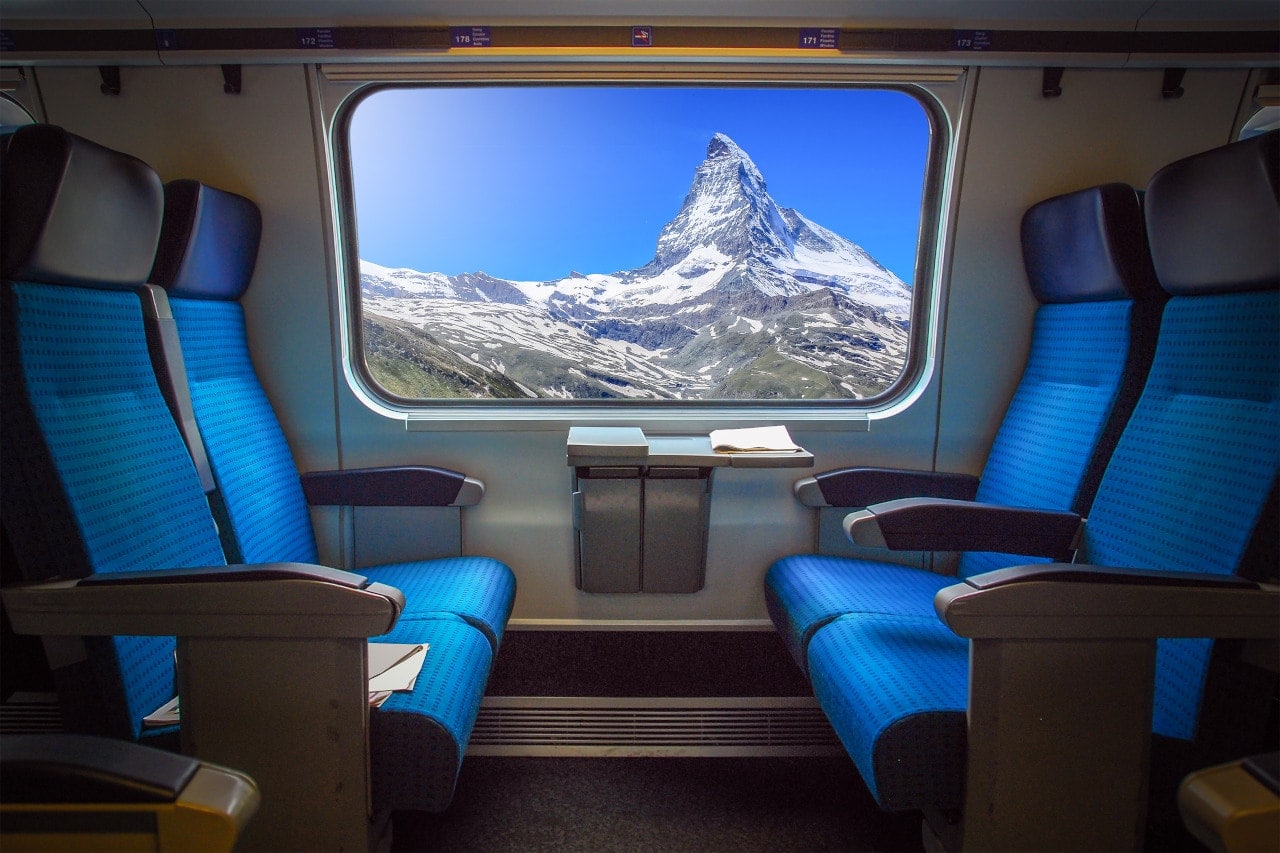
Luxury travel can feel indulgent without creating an oversized environmental footprint. Fast rail makes that balance easier by linking major cities with comfortable cabins, central stations, and fewer of the delays associated with airport transfers. The key is to plan around rail from the start, then choose hotels, luggage and daily activities that support the same low-impact approach.
A well-designed trip can still include fine dining, premium accommodations and attentive service. The difference lies in spending time and money on experiences that improve the visit, while cutting transportation choices that add hassle and emissions.
The Low-Carbon Footprint of Fast Rail
Transportation often represents a large share of a vacation’s environmental impact. Electric rail can lower that burden, especially on busy intercity routes where frequent departures allow many passengers to travel together. The broader principles of low-carbon mobility also include public transit, walking and cycling once you arrive.
Rail’s practical advantage comes from the full door-to-door experience. A flight lasting 90 minutes may also require an early airport arrival, a distant terminal transfer and time spent collecting luggage. A train can depart from a central station and arrive near hotels, restaurants and cultural districts. On routes of a few hundred miles, this may produce a similar total travel time with fewer transitions.
Look for direct services first. Each connection adds uncertainty and may require a longer route. Electric trains are also most useful when paired with local transit at the destination, so check the station’s subway, tram, or hotel transfer options before booking.
Premium Comfort Meets Green Mobility
First-class and business-class rail tickets can offer a polished experience without the formalities that surround premium air travel. Depending on the operator and route, upgrades may include wider reclining seats, quieter cars, lounge access, power outlets, and meal service. You also gain the freedom to stand, work, or watch the scenery during the trip.
Book the cabin based on how you plan to use those hours. A quiet car suits travelers who want to work or rest, while a window seat adds value on a scenic route. If you’re planning several intercity trips in China, the China High-Speed Railway Guide provides practical details on routes, tickets, schedules, estimated travel times and scenic highlights.
A premium ticket doesn’t automatically deliver the smoothest day. Check the luggage allowance, seat layout, and onboard food options before paying for an upgrade. Bringing a compact meal from a quality local bakery may feel more personal than relying on standard catering. Keep your bag light enough to handle without assistance, since storage areas and boarding procedures differ among rail systems.
Navigating Modern Transit Infrastructure
Large railway stations can function like small urban districts, with multiple entrances, departure levels, shopping areas, and long walks between local transit and intercity platforms. If you’re unfamiliar with a station, arrive 30 to 45 minutes early to allow time for ticket checks, security procedures where required, and finding the correct platform. Checking station maps beforehand can also help you avoid unnecessary delays.
Save your train number, departure time, station name, and destination in an offline note for easy reference. City names alone can be confusing because major metropolitan areas often have several railway stations. Compare the exact station on your ticket with the location in your map app, and confirm which entrance provides access to your departure platform.
Rail travel is most effective when connected to a reliable local transportation network. The concept of rail-centered sustainable mobility highlights the importance of linking intercity services with subways, buses, trams, and other public transit options. When choosing accommodation, consider more than its straight-line distance from the station. A hotel two subway stops away may be more convenient than one that requires a long walk with luggage or an additional taxi ride.
Before departure, download official railway and local transit apps to check schedules, platform changes, service updates, and ticket details. Save digital tickets for offline access and carry a portable charger in case you need your phone to enter the station or retrieve your reservation. A little preparation makes station transfers easier and helps keep your journey comfortable and on schedule.
Making Conscious Itinerary Choices
Plan fewer stops and longer stays to reduce travel time and enjoy each destination without rushing. Choose centrally located hotels close to restaurants, cultural attractions, and public transportation. Look for sustainable features such as refillable water stations, linen-saving policies, energy-efficient systems, and locally sourced menus. These sustainable luxury hotels show how premium comfort and environmental responsibility can go hand in hand.
Make the most of each location by grouping nearby attractions, exploring on foot, and booking timed-entry experiences in advance. Keep arrival days flexible so you have time to settle in rather than rushing into a packed schedule. Combining comfortable rail travel, thoughtful accommodation, and a relaxed itinerary creates a more enjoyable trip while reducing unnecessary transportation and resource use.