

Toronto’s luxury real estate market has always attracted buyers with deep pockets. But high-net-worth individuals (HNWIs) are becoming more selective about where they invest. The question is no longer simply whether to buy a luxury condo or a multimillion-dollar home. It’s about managing risk, finding value and making capital work harder.
For years, pre-construction condos were popular with wealthy investors. Buyers could secure a property at today’s price, spread deposits over several years and potentially benefit from appreciation before receiving the keys. Resale properties offered a different advantage: immediate ownership, tangible value and the ability to generate rental income.
Today, higher construction costs, elevated inventory and changing buyer expectations have shifted the equation. Toronto’s wealthiest purchasers are looking beyond glossy brochures and focusing on what a property can actually deliver.
The Pre-Construction Promise Is Getting a Reality Check
Buying a luxury condo before construction begins once felt like getting an early invitation to an exclusive club. Developments in Yorkville, King West, the Financial District and along the waterfront attracted investors with sleek architecture, hotel-inspired amenities and promises of future appreciation.
But the economics have become harder to ignore.
Construction expenses, financing costs, development charges and labour shortages have put pressure on developers. Meanwhile, higher borrowing costs have made buyers more cautious.
For investors, the biggest concern is whether the completed property will be worth more than its original purchase price. That’s no longer guaranteed. In some cases, comparable resale condos offer better value than newly launched developments.
There’s also the opportunity cost. Committing hundreds of thousands of dollars to deposits over several years means tying up capital that could be invested elsewhere.
Pre-construction still has potential, but investors need to be more selective. Developer reputation, location, suite design, maintenance fees and realistic resale demand matter far more than an impressive sales presentation.
Why Resale Is Looking More Attractive
If pre-construction is a bet on tomorrow, resale offers an opportunity to evaluate what already exists.
Buyers can inspect the actual property, review condominium finances, compare recent sales and assess building management before committing their money. They also know what surrounds the property rather than relying on renderings of future parks, retail and transit improvements.
For HNWIs, that certainty has considerable value.
Consider a luxury condominium in Yorkville. Buyers can evaluate its views, ceiling heights, finishes and natural light. They can also investigate the reserve fund and potential maintenance expenses.
Another advantage is immediate occupancy. A resale property can become a primary residence, pied-à-terre or rental investment without waiting years for construction to finish.
In today’s market, having something tangible is increasingly appealing.
The Luxury Buyer Is Looking Beyond the Condo Tower
Toronto’s luxury market isn’t just about downtown high-rises. Established neighbourhoods such as Forest Hill, Rosedale, Lawrence Park and The Bridle Path continue to attract wealthy buyers seeking privacy, larger lots and long-term ownership potential.
These properties offer something even the most impressive condominium amenities cannot replicate: land.
Established luxury homes provide mature neighbourhoods, prestigious schools and convenient access to Toronto’s business and cultural districts. Their appeal extends beyond square footage.
Boutique condominiums and luxury townhomes are also attracting attention. For buyers who value exclusivity, a building with 20 or 30 residences may be more appealing than a tower with hundreds of suites sharing the same amenities.
Location Still Beats a Fancy Sales Centre
Whether buying pre-construction or resale, location remains one of the biggest drivers of long-term value.
Yorkville offers luxury retail, fine dining and cultural attractions. Rosedale and Forest Hill provide established prestige, while King West appeals to buyers seeking an energetic urban lifestyle. The waterfront attracts those looking for modern architecture and outdoor recreation.
But not every property deserves a premium.
Excessive maintenance fees, inefficient floor plans and looming building repairs can undermine an otherwise attractive investment. Buyers should also consider parking, storage, outdoor space and building management.
The same scrutiny applies to pre-construction. An emerging neighbourhood might offer potential, but future demand, infrastructure and transit connections need to support the investment.
A More Strategic Approach to Capital
For Toronto’s HNWIs, choosing between pre-construction and resale doesn’t have to be an either-or proposition.
Some investors may favour established resale properties while reserving capital for carefully selected developments. Others may find opportunities in completed but unsold developer inventory, where there may be room to negotiate.
Regardless of the purchase, understanding the costs beyond the price tag is essential.
Pre-construction buyers should consider deposit schedules, development charges, closing adjustments and construction delays. Resale buyers need to examine property taxes, maintenance fees, reserve funds and potential special assessments.
Toronto’s provincial and municipal land transfer taxes also deserve consideration, particularly on high-value purchases.
The Verdict: Buying Value, Not Just Potential
Toronto’s luxury real estate market is entering a more discerning phase. The days of assuming almost any pre-construction condominium will deliver an easy profit are behind us.
Resale properties offer tangible value, immediate use and greater pricing transparency. Meanwhile, pre-construction remains attractive when pricing is competitive, the developer is reputable and the location offers genuine long-term potential.
Ultimately, the smartest investment isn’t necessarily the newest building or the most expensive address. It’s the property that makes financial sense today while retaining the qualities that will make it desirable tomorrow.
For Toronto’s wealthiest buyers, patience, due diligence and recognizing genuine value may prove more rewarding than simply getting in early.
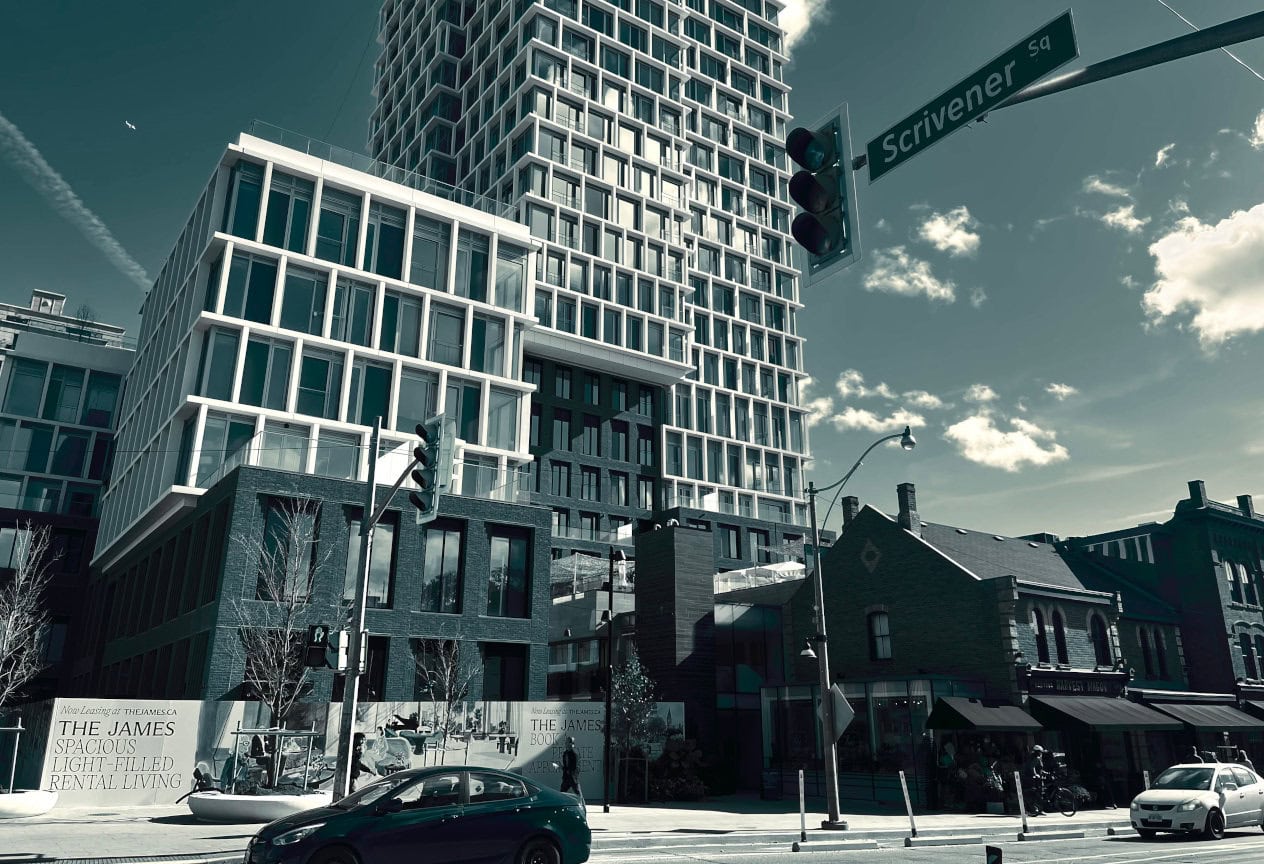
Top image: Yorkville, Toronto, by Mark Keast

Sean Cooper is the bestselling author of the book, Burn Your Mortgage: The Simple, Powerful Path to Financial Freedom for Canadians. He bought his first house when he was only 27 in Toronto and paid off his mortgage in just 3 years by age 30. An in-demand Personal Finance Journalist, Money Coach and Speaker, his articles and blogs have been featured in publications such as the Toronto Star, Globe and Mail, Financial Post and MoneySense. Connect with Sean on LinkedIn, Twitter, Facebook and Instagram.