

Premium concierge desks turn scarce reservations into confirmed plans through timing, trusted contact, and detailed knowledge of each guest. Their influence comes from consistent professional relationships, accurate requests, and an ability to solve logistical problems before they reach the customer. While no concierge can guarantee every request, the best teams often gain access that ordinary booking channels cannot provide.
The Evolution of Modern Hospitality Desks
The traditional concierge desk once focused on directions, transportation, and local recommendations. Modern teams handle restaurant reservations, private events, cultural access, and detailed celebration plans across multiple cities. They also use guest profiles and real-time messaging to respond before and during a stay.
Modern concierge services increasingly focus on personalized experiences and tailored travel arrangements, reflecting the growing demand for bespoke luxury travel experiences.
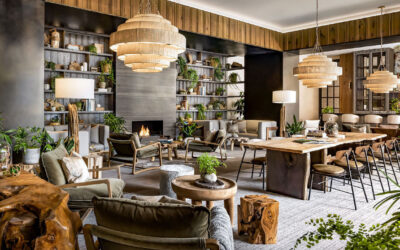
The physical setup has evolved alongside the service. Guidance on concierge desk selection reflects how design now supports privacy, organized technology, and comfortable face-to-face conversations. Yet the human network remains more valuable than the furniture. Experienced professionals remember venue policies, booking windows, and the contact who can resolve a last-minute scheduling conflict.
Securing Priority Tables Ahead of Time
Submit a request as soon as dates are firm, especially for weekend evenings, major events and groups of six or more. A concierge needs the preferred date, acceptable time range, party size, and occasion. Dietary needs and seating preferences should also be clear from the start.
Direct reservations can be effective when a venue provides a dedicated premium booking route. For example, guests considering private seating for an occasion can review VIP table reservations Soho before finalizing their evening. Broader analysis of concierge restaurant access also shows why established hotel relationships may help when public availability appears limited. Flexibility of 30 to 60 minutes can materially improve the options.
Building Direct Relationships with Venues
Concierge access develops through reliable communication over months and years. A respected desk sends accurate party details, confirms changes promptly, and avoids holding space that guests may not use. In return, venue managers are more willing to discuss cancellations, quieter seating areas, or dates that have not yet appeared on public platforms.
You benefit most when your request gives the concierge room to work. Name two acceptable times, explain which detail matters most, and state the budget where relevant. A guest celebrating an anniversary, for example, may care more about a private corner than a specific hour. That priority helps the venue propose an option that genuinely fits the evening.
Expectations of Discretion and Personalization
Discretion begins with collecting only the information needed to complete a request. A professional concierge should confirm who may receive itinerary details, how updates will arrive, and which preferences can be retained for later visits. Sensitive arrangements should never become casual conversation in a crowded lobby or public messaging thread.
Personalization also needs precision. “Somewhere exclusive” offers little direction, while “a quiet table for four, live entertainment nearby and departure by 11 p.m.” gives the desk practical criteria. Share firm boundaries as well as preferences, including accessibility needs, food allergies, and transportation deadlines. Before the event, ask for one written confirmation covering arrival time, dress expectations, cancellation terms, and the name attached to the booking.
The strongest requests are specific while leaving space for professional judgment. Give the desk a clear priority, a realistic time range, and permission to suggest an equivalent option. That combination allows a concierge to use trusted relationships without losing sight of the experience you actually want.