


A high-value estate jewel should pass several independent checks before you accept its age, materials, and market value. Skilled appraisers start with the piece’s documented history, then compare those claims with evidence from magnification, gem testing, and metal analysis. No single result settles the matter.
The strongest opinion comes from consistent findings, careful records, and an independent laboratory report when uncertainty remains.
Modern Counterfeits Demand Smarter Scrutiny
Modern reproductions can imitate period cuts, engraved details and signs of wear with surprising accuracy. Start by examining the entire jewel under magnification. Tool marks, solder seams, replacement settings and uneven wear may reveal later alterations or assembly from parts of different ages.
Compare the construction with documented techniques from the claimed period. An Art Deco ring, for example, may have an old-style centre stone but a recently cast mounting. Request receipts, prior appraisals, repair records, and any gemological laboratory reports. Dates, measurements, and identification numbers should match across the paperwork and the object itself.
Essential Testing Gear for Modern Appraisers
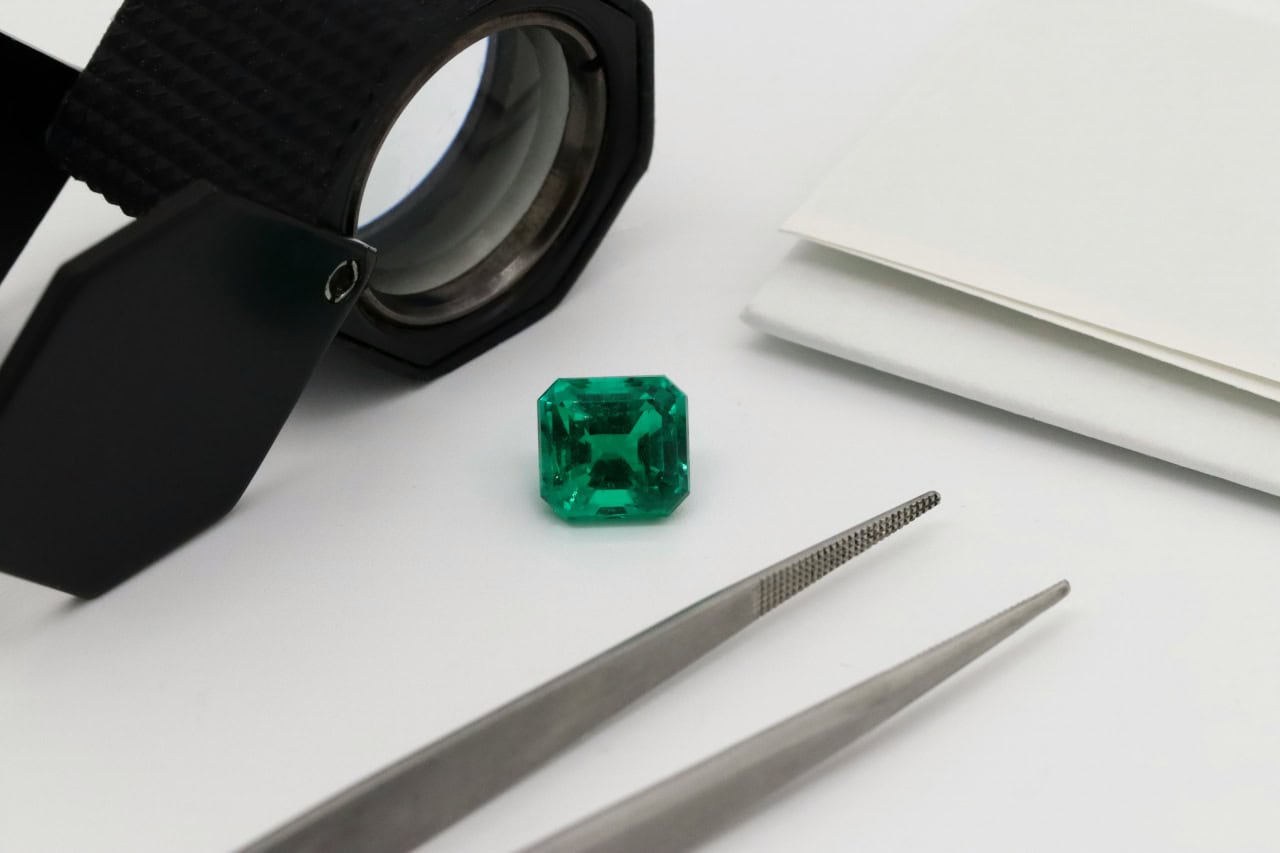
Build a testing sequence that moves from non-invasive observation to more specialized analysis. A 10× loupe and gemological microscope reveal inclusions, facet wear, and setting repairs. Refractometers, spectroscopes, ultraviolet lamps and thermal conductivity testers help narrow a stone’s identity, while precise scales and calibrated gauges confirm weights and dimensions.
Professional jewellers and gemologists can source microscopes, precious metal analyzers, and diamond testing equipment from suppliers such as C.R. Time Company when assembling their testing toolkit. Each instrument needs regular calibration and a written operating procedure. Record the device, settings, and results for every test so another qualified professional can review or repeat the work later.
Distinguishing Natural Stones From Synthetics
Natural and laboratory-grown gems can share the same chemical and physical properties, so appearance alone is rarely decisive. Under magnification, an appraiser may look for mineral inclusions, curved growth lines, colour zoning or metallic flux remnants. Those clues can suggest an origin, but treatments and advanced production methods often complicate interpretation.
Use several tests together and treat inconclusive results honestly. Fluorescence patterns, spectroscopy and advanced imaging may reveal features that a loupe cannot. For an estate diamond with substantial value, submit the loose stone or mounted piece to a recognized independent laboratory. The report should identify the material and disclose detectable treatments without assigning certainty beyond the available evidence.
Verifying Precious Metal Alloys and Hallmarks
Inspect every hallmark under magnification before testing the alloy. Genuine marks should fit the jewel’s style, manufacturing method, and likely place of origin. Blurred edges may come from normal wear, while oddly sharp stamps, mismatched typefaces, or marks placed over scratches can suggest a later addition.
Hallmarks provide clues, not stand-alone proof. Their form varies by country and period, as shown by established hallmarking guidance. Confirm metal content with an appropriate method, such as electronic testing or X-ray fluorescence analysis. Test multiple areas when possible because clasps, repairs and replacement components may contain different alloys from the main body.
Safeguarding High-Value Portfolio Purchases
When purchasing jewelry, set clear conditions before you exchange money. The invoice should describe the stone, metal, maker’s marks, condition, and known repairs. Match identification numbers to the report and verify that measurements remain within a reasonable tolerance. For major acquisitions, use an appraiser who has no financial interest in the sale.
Photograph the jewel from several angles, including hallmarks and distinctive inclusions, then store reports, invoices, and service records in a secure digital archive. Update insurance documentation after a significant repair or market change. If one finding conflicts with the seller’s description, pause the transaction and seek another qualified opinion. A small inconsistency in weight, alloy, or report details can be the clue that prevents an expensive attribution error.