
Luxury communication turns craftsmanship, heritage, and service into a clear reason for customers to care. A polished campaign may attract attention, but lasting appeal comes from consistency across every brand touchpoint, from a private appointment to a product page.
The strongest luxury brands communicate with confidence while leaving room for discovery. They know which details deserve attention, which audiences they want to reach, and how each message supports long-term brand value.
Luxury Storytelling: More Than Just Assets
Beautiful photography and refined design set expectations, yet they need a meaningful story behind them. Effective luxury brand storytelling connects a product or experience to human ideas such as mastery, belonging, and personal expression.
Start with evidence. A hotel might document how local artisans created its custom furniture, while a fashion house could follow one material from its source to the finished piece. Specific details give audiences something memorable to share.
Keep the customer present in the narrative, too. Show how attentive service saves time, supports privacy, or creates a more personal experience. Those benefits often communicate luxury more convincingly than a long list of amenities.
Crafting Your Brand’s Narrative
A useful brand narrative begins with three elements: the promise you make, the proof that supports it, and the voice customers recognize. Write each in one sentence before planning campaigns. This simple exercise helps your website, media coverage and social content sound connected.
Published commentary from Diana Ulis at Admire Capital offers a relevant example of how a focused point of view can frame boutique scale as a meaningful luxury advantage. The lesson extends across the sector. Choose a distinct idea and support it with operational detail.
Create a small message guide for everyone who represents the brand. Include approved descriptions, three proof points, and examples of phrases that match your voice. Review it each quarter as services and customer expectations change.
Reaching a Global Elite Audience
Global reach requires cultural awareness without diluting the brand’s identity. Translate meaning as carefully as language. References to status, exclusivity, and hospitality can carry different implications across markets, so local editors should review major campaigns before publication.
Channel choice also matters. A broad social campaign can strengthen brand presence on social media and build recognition, while invitation-only events, private newsletters, and respected editorial placements can develop deeper relationships. One detailed story adapted for several formats often works better than unrelated messages produced for every platform.
The craft of luxury storytelling also shows why presentation and pacing deserve close attention. Give audiences enough context to understand the value, then let strong visuals and precise details carry the message. Track regional responses separately so one market’s results don’t hide another’s preferences.
Measuring Impact in the Luxury Sector
Luxury marketing needs measures that reflect relationship quality as well as immediate sales. Reach and impressions can show exposure, but they say little about intent. Monitor qualified inquiries, private appointment requests, repeat visits, and referrals from existing customers.
Set benchmarks before a campaign begins. For example, a six-week launch could aim to generate 40 qualified consultations, secure coverage in five relevant publications and increase returning website visitors by 15 percent. Clear targets make the final review more useful.
Pay attention to qualitative signals as well. Record the questions customers ask, the stories editors repeat, and the details sales teams hear during appointments. If clients consistently mention provenance or personalized service, those themes deserve more space in future communication.
Luxury brands earn attention through restraint, precision, and proof. When a customer can repeat the brand’s central idea in a single natural sentence, the communication has done more than create visibility. It has created recognition, which is far harder for competitors to copy.
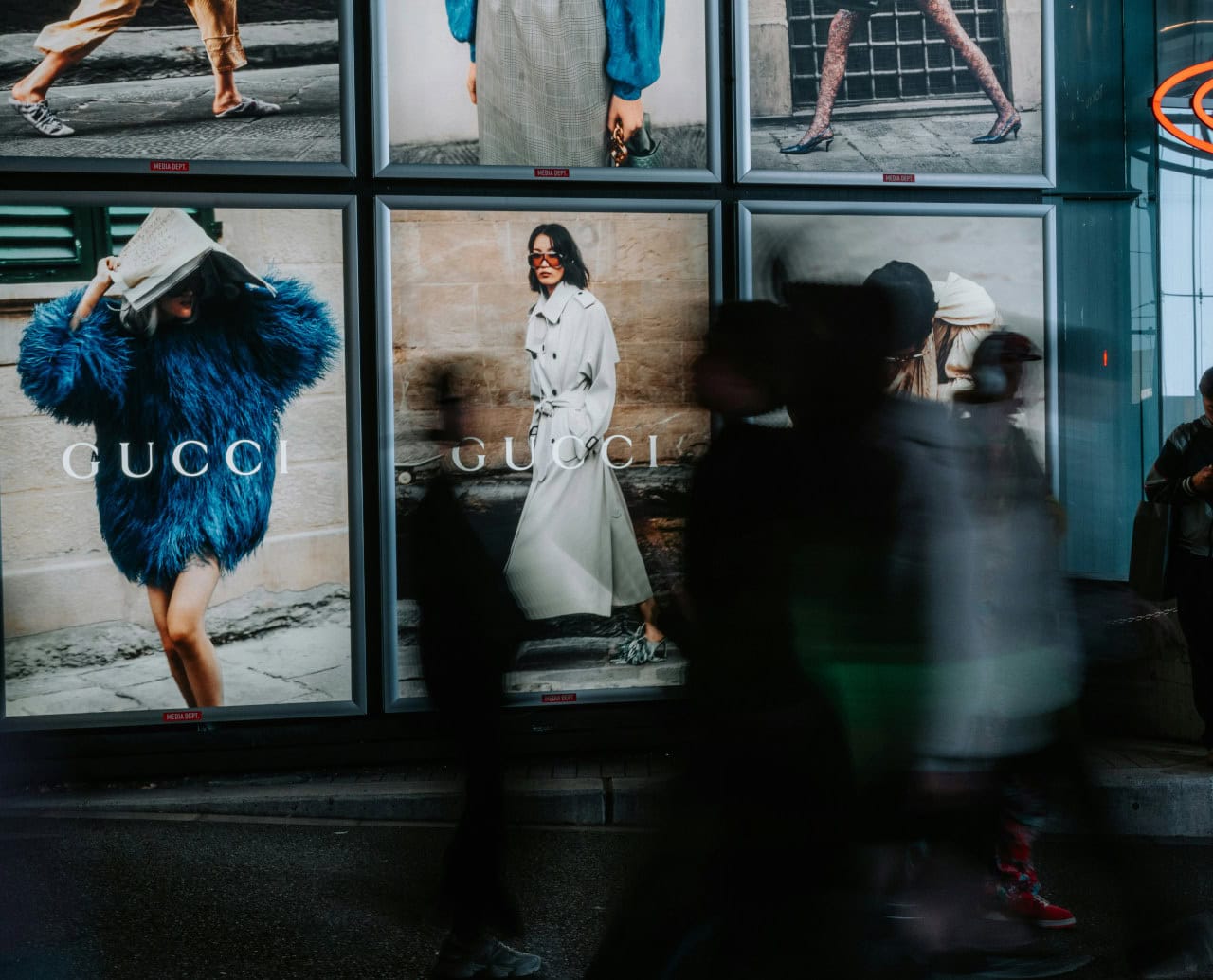
Top image, Takashi Sakamoto, Unsplash

Mark Keast has been a journalist for three decades, starting out as a sports writer and editor for one of Toronto’s largest daily newspapers. Recently he has moved into writing on luxury cars, travel, and Toronto luxury real estate. He owns real estate in downtown Toronto as well, so there’s a vested interest there. Mark spends a lot of his work time connecting with realtors and developers across Canada, staying on top of industry developments.
Check out his stories, and email him direct at mkeast@regardingluxury.com