

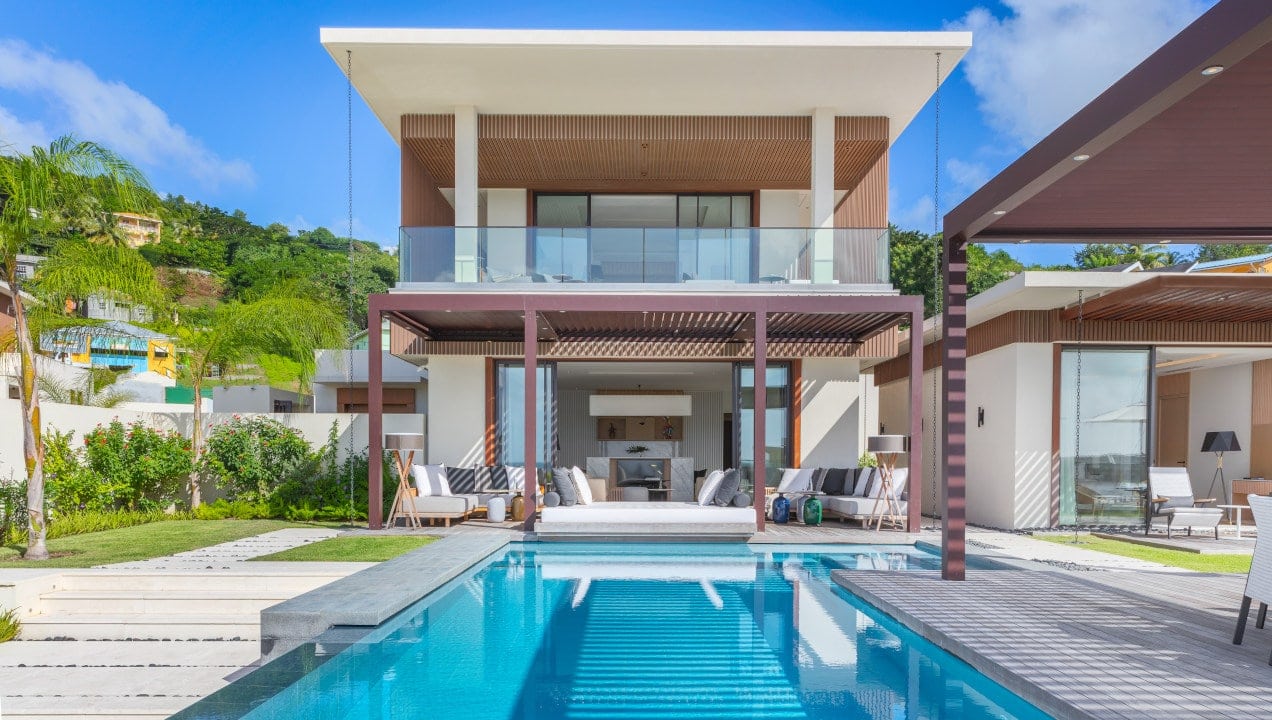
A flourishing resort-style residential community makes everyday life feel considered, comfortable and pleasantly easy. Homes form only part of that experience. Residents also notice the welcome at shared facilities, the quality of the gardens and how naturally the neighbourhood brings people together.
The strongest communities balance attractive amenities with thoughtful planning and reliable service. Each feature has a clear purpose, from supporting daily exercise to making an ordinary weekday feel more enjoyable.
Borrowing Concepts from Five-Star Hospitality
Luxury hotels understand the value of a warm arrival, intuitive spaces and consistent upkeep. Residential communities can apply the same principles through welcoming entrances, clear signs, well-trained staff and shared facilities that remain ready to use. Features linked with resort-style amenities may include pools, fitness rooms, lounges and organized social areas.
The hospitality influence should also reach the homes themselves. Buyers comparing new homes can look for customisable floor plans and community designs that complement how they spend their time. A practical kitchen, covered outdoor space or flexible room may contribute more to daily comfort than an elaborate feature that rarely gets used.
Service standards matter too. An online booking system for a residents’ lounge, regular maintenance updates and prompt responses to reported problems can make communal living feel polished without becoming formal.
Curated Green Spaces and Wellness Enclaves
Green space works best when it supports several kinds of activity. A broad lawn may host a morning exercise class, while shaded seating gives neighbours somewhere to talk. Walking routes become more inviting when they include trees, lighting, drinking water points and places to rest.
Wellness facilities should fit naturally into residents’ routines. A small fitness studio near the main entrance may receive more use than a large gym hidden at the edge of the development. The same principle applies to quiet gardens, outdoor workspaces and play areas.
Developers can observe how people use these spaces at different times, then adjust seating or planting as needed. Native plants may also reduce upkeep and support local biodiversity. Good landscape design changes with the seasons, creating fresh views and reasons to spend time outdoors throughout the year.
Investing in Visionary Community Masterplans
A strong masterplan considers what the community will need five, ten and even 20 years from now. That means planning safe walking routes, sensible traffic flow and connections between homes, recreation areas and everyday services. Flexible buildings are useful too. A lounge might host children’s activities in the afternoon, remote workers during the day and resident events in the evening.
The appeal of a year-round resort lifestyle depends on details that work outside peak seasons. Covered seating, indoor gathering spaces and weather-conscious planting help facilities remain useful across changing conditions.
Prospective residents should study the whole community plan, not only the available floor plan. Ask which amenities are already complete, how future building phases will affect access and who will maintain shared spaces. Clear answers offer a more realistic picture of daily life after move-in.
Fostering Genuine Connection Among Residents
Shared facilities create opportunities, but connection grows through repeated, low-pressure encounters. A coffee morning, gardening group or monthly outdoor film night gives residents an easy reason to meet. Smaller events often work especially well because conversation happens naturally.
Community managers can strengthen participation by offering a varied calendar and making events easy to discover. A resident app, entrance noticeboard and monthly email will reach different audiences. Scheduling matters as well. Daytime activities may suit remote workers or retirees, while early evening and weekend sessions can include households with school or work commitments.
The physical setting can encourage spontaneous contact. Benches facing a play area, tables near a walking path and comfortable seating beside a shared garden allow neighbours to pause and chat. These modest meeting points often shape community life more effectively than an impressive venue that sits empty.
Resort-style communities flourish when their most attractive features also prove useful on an ordinary Tuesday. A shaded path that encourages an evening walk or a flexible lounge filled with familiar faces brings the original masterplan to life, one daily habit at a time.

Mark Keast has been a journalist for three decades, starting out as a sports writer and editor for one of Toronto’s largest daily newspapers. Recently he has moved into writing on luxury cars, travel, and Toronto luxury real estate. He owns real estate in downtown Toronto as well, so there’s a vested interest there. Mark spends a lot of his work time connecting with realtors and developers across Canada, staying on top of industry developments.
Check out his stories, and email him direct at mkeast@regardingluxury.com