


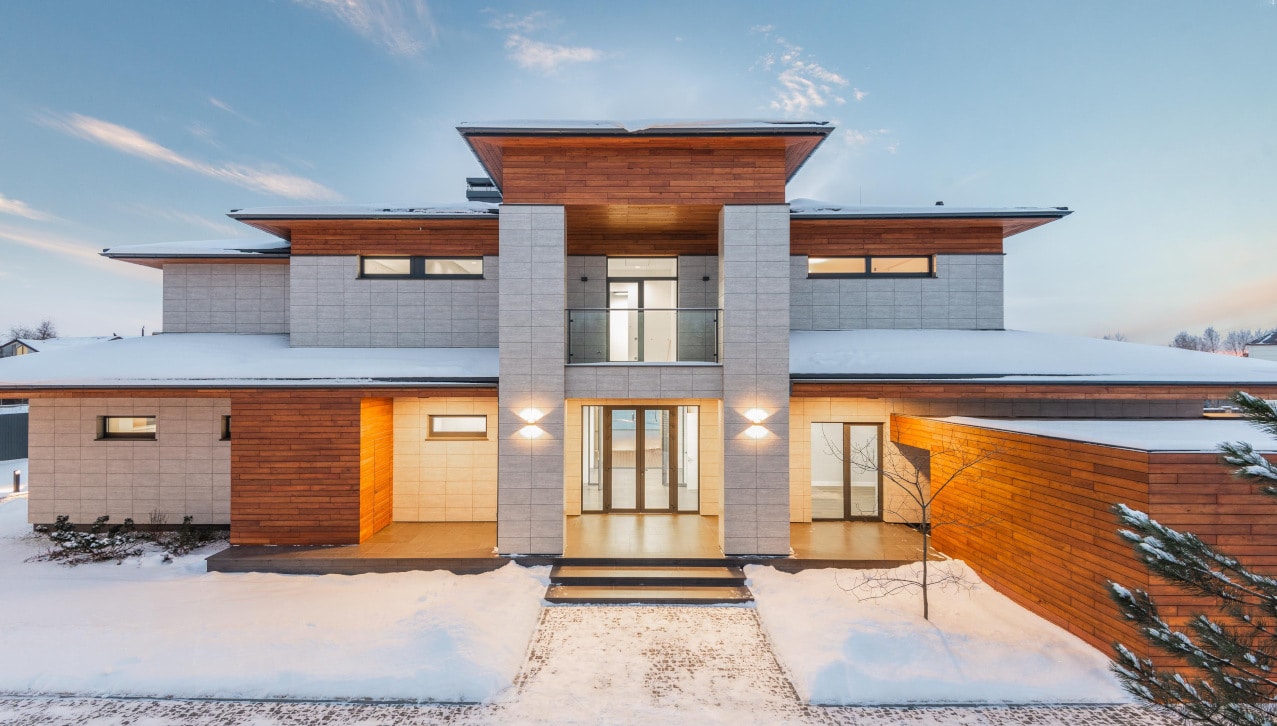
A home’s exterior takes the full force of rain, sunlight, wind and seasonal temperature changes. Small defects can therefore spread quickly, turning a loose roof tile or blocked downpipe into damp plaster, damaged timber or costly structural work.
Regular exterior care protects the building’s appearance, but its greater value lies in keeping water out, preserving materials and catching deterioration while repairs remain manageable.
Investing in Property Longevity
Treat exterior maintenance as a continuing part of home ownership, much like servicing a heating system. Set aside a yearly budget for inspections, cleaning and minor repairs, then keep dated photographs and invoices so you can track changes. This record may also prove useful when selling the property or making an insurance claim.
Walk around the home every spring and autumn. Look for cracked render, peeling paint, open joints around windows and plants growing against walls. Pay particular attention after severe weather. A missing seal or damaged board may cost little to correct early, while months of water exposure can affect insulation and internal finishes.
The Role of a Healthy Roof System
Inspect the roof from ground level and arrange professional checks when you notice slipped materials, sagging sections or staining beneath the eaves. Flashing around chimneys, vents and roof junctions deserves close attention because these transitions are common entry points for water.
Some suitable roof types can benefit from protective treatments. Coatings may limit weather exposure and postpone replacement, although the existing surface must be sound and compatible. Owners planning larger upgrades might also explore the US Environmental Protection Agency’s information on green roof benefits, including lower roof temperatures and improved rainwater management.
Ensuring Proper Water Drainage
Rainwater needs an uninterrupted route from the roof to a safe discharge point. Leaves, moss and compacted debris can block gutters, while misaligned joints may send water down the wall. Watch the system during moderate rainfall, noting overflow, dripping connections and water collecting near the foundations.
Clean accessible sections safely and test downpipes with water. For high roofs, awkward access or persistent blockages, professional gutter cleaning services can remove debris and check that downspouts flow correctly. Keep drains clear at ground level as well. Soil should slope gently away from the property, and discharge points shouldn’t create puddles beside walls or steps.
Proactive vs. Reactive Maintenance
Proactive work usually costs less because it deals with wear before surrounding materials suffer. Replacing failed sealant around a window, for example, is a contained task. Leaving the gap open through a wet season can damage plaster, frames and wall insulation.
Create a simple schedule based on exposure and material type. Painted timber may need attention every few years, while masonry joints and exterior sealants should be checked annually. Schedule roof and drainage inspections before the wettest part of the year. If you see an active leak, bulging finish or persistent damp patch, arrange an assessment promptly. Surface cleaning or repainting won’t solve moisture trapped behind the exterior layer.
Building a Durable Home Exterior
Durability starts with compatible materials and careful installation. Use exterior products designed for the surface and local climate, then follow the manufacturer’s preparation and drying instructions. Paint applied over dirt or damp material may fail within months, even if the product itself is high quality.
Keep shrubs and climbing plants clear of walls so air can circulate and inspection remains easy. Check that vents stay open and avoid allowing soil, paving or mulch to bridge damp protection near the base of the building. When several repairs are due, complete water-control work first, followed by damaged materials and decorative finishes. That order prevents a freshly painted wall from concealing the leak that caused its staining.
A well-kept exterior should shed rain cleanly from the roof to the final drainage point. Watching that route during the next downpour can reveal overflow, splashback and pooling that remain invisible on a dry day.

Mark Keast has been a journalist for three decades, starting out as a sports writer and editor for one of Toronto’s largest daily newspapers. Recently he has moved into writing on luxury cars, travel, and Toronto luxury real estate. He owns real estate in downtown Toronto as well, so there’s a vested interest there. Mark spends a lot of his work time connecting with realtors and developers across Canada, staying on top of industry developments.
Check out his stories, and email him direct at mkeast@regardingluxury.com