

Natural swimming ponds are reshaping residential architecture by combining the pleasure of an outdoor swim with the appearance of a carefully designed garden. Instead of presenting water as a bright blue feature separated from the surrounding property, these ponds use plants, stone and gentle contours to connect a home with its setting.
Their appeal extends beyond aesthetics. Owners can reduce their reliance on conventional pool chemicals while creating habitat and a focal point that changes with the seasons.
Rethinking Traditional Chlorine Pools
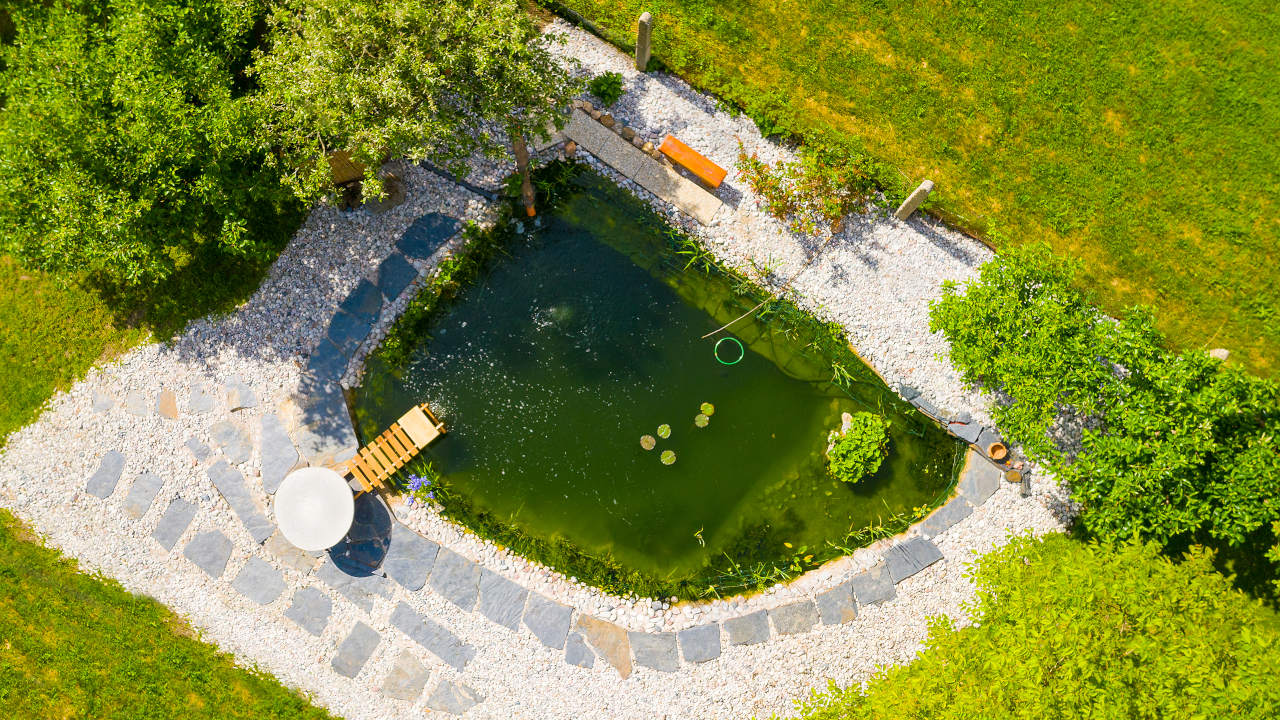
A natural swimming pond typically divides the water into two connected areas. One provides open space for swimming while the other supports aquatic plants and filtration materials. Water circulates between them, allowing biological processes to remove excess nutrients and help control algae.
This layout creates a softer architectural presence than a conventional rectangular pool. A clean-lined swimming zone can complement a modern home, while planted edges ease the transition into a lawn or terrace. Understanding how natural swimming pools work helps explain why sizing, circulation and plant selection need to operate as one system. Owners should also expect some seasonal maintenance, including trimming plants, removing debris and checking pumps.
Biological Filtration Meets High Design
Biological filtration no longer requires a pond to look rustic or informal. Designers can conceal pumps and pipework, use submerged walls to separate swimming and regeneration areas and specify stone that continues the material palette of the house. Modern natural pool architecture can incorporate crisp geometry, broad steps and reflective surfaces that suit contemporary properties.
Site preparation is equally significant. Early discussions with pond contractors can clarify how excavation, grading, soil compaction and spillway construction may affect a residential pond project. A natural swimming installation may also require input from an aquatic systems specialist, architect or engineer. Bringing those disciplines together before digging begins helps prevent awkward level changes, drainage conflicts and costly redesigns.
Partnering with Specialized Builders
Start by asking potential builders to explain how the pond will circulate water during warm weather, manage runoff after heavy rain and respond to freezing conditions. Their answers should identify pump capacity, filtration areas, overflow routes and access points for maintenance. Request drawings that show both the finished appearance and the systems hidden below the surface.
The design team should also review local permits, barriers, electrical work and setback requirements. These rules vary widely, so assumptions based on a standard backyard pool may lead to delays. Ask for examples of completed projects that have operated for several years, then discuss water clarity and annual upkeep with the owners if possible. A beautiful first-season photograph reveals little about the long-term performance of a living water system.
Year-Round Visual Elegance
A natural swimming pond remains part of the garden long after the swimming season ends. Reeds, irises and other suitable plants can bring texture during warmer months, while stone edges and open water provide strong lines in autumn. In colder climates, the frozen surface becomes a quiet architectural feature, though owners should follow professional guidance on winter operation and avoid treating the ice as a usable surface.
Thoughtful lighting extends the effect after dark. Low fixtures can illuminate a path or highlight planting without flooding the entire pond with glare. Broader ideas for creating a luxury backyard also show how water features, carefully placed lighting and comfortable seating can work together to make an outdoor space feel more cohesive. Place seating where it captures reflections from the house and sky, then keep mechanical equipment screened but accessible. The most convincing designs look settled into the property, with every edge, step and planted shelf supporting the same architectural idea.
For homeowners considering this feature, a site assessment should come before decisions about finishes. Sun exposure, soil conditions, drainage and available space determine what form the pond can realistically take. When those fundamentals are resolved early, the finished water garden can mature gracefully instead of requiring repeated corrections.