


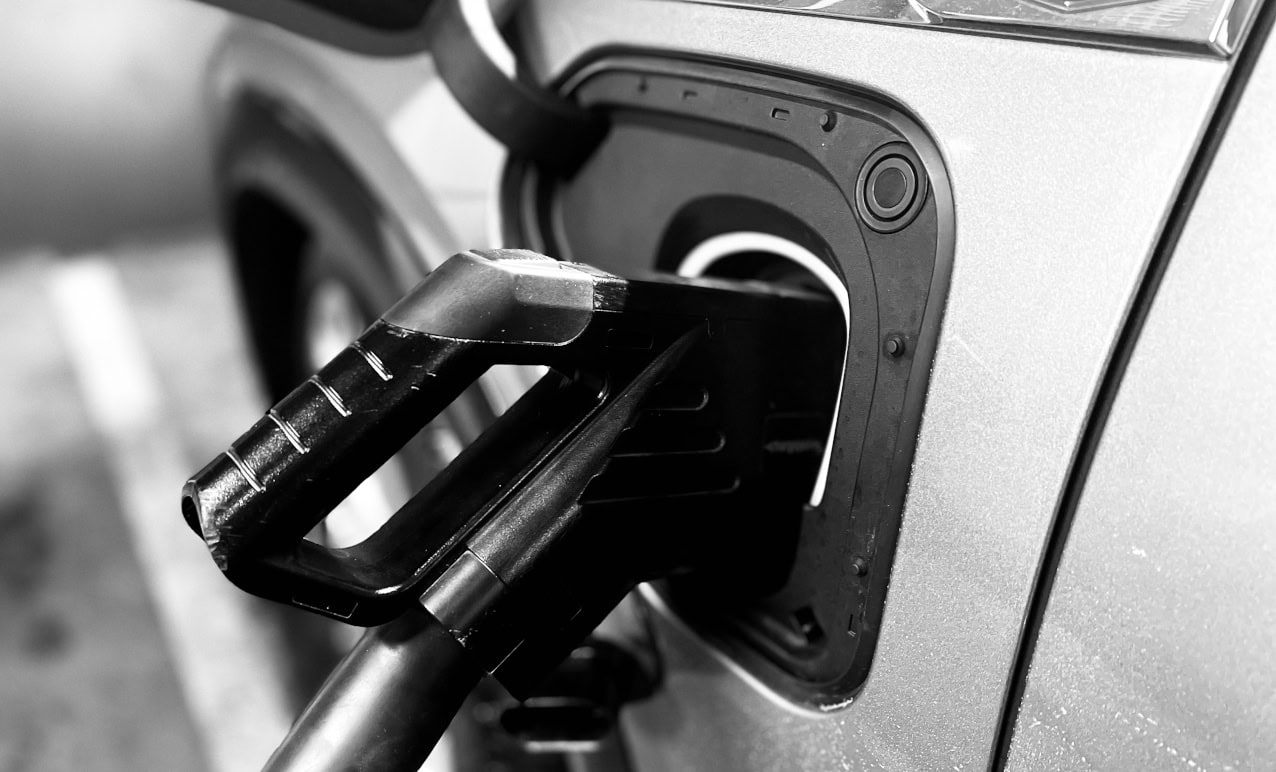
Powering the next generation of electric vehicle sales requires more than innovative vehicles. It also depends on seamless digital experiences that support drivers throughout ownership. As electric vehicles become increasingly popular, addressing range anxiety remains a key challenge, making convenient charging access and frictionless payment options more important than ever.
Buyers now expect transparent pricing, flexible checkout options, and digital services that continue long after delivery. For automakers and retailers, payment technology has become essential to the customer experience. A well-designed system can reduce delays, simplify account management, and provide a consistent way to pay across websites, showrooms, and charging networks, helping drivers feel more confident about owning and operating electric vehicles.
The EV Market’s Growth Trajectory
Electric vehicles are moving into a more mature stage of global adoption. BloombergNEF’s Electric Vehicle Outlook tracks how battery prices, policy changes, and charging availability influence sales across major markets. Competition is also expanding as established luxury automakers introduce more electric sedans and SUVs alongside newer brands.
Growth brings more varied customer expectations. One buyer may want to reserve a limited-edition model online, while another wants a familiar showroom consultation. Retailers should review where customers abandon online reservations, how long payment approval takes, and which financing choices receive the most interest. Those findings can guide investments in digital checkout and staff training.

Image by Mark Keast
Streamlining Vehicle Purchases
An electric vehicle purchase may include a reservation fee, deposit, trade-in value, financing agreement, and final balance. When these elements sit in disconnected systems, customers may have to repeat information or wait while staff confirms a transaction. A unified checkout process gives sales teams a clearer record and helps buyers understand exactly what they have paid.
Retailers evaluating their setup should learn all about payment processing, including transaction types, provider responsibilities, and common fee structures. They can then compare providers based on system compatibility, reporting tools, support, and total cost. Clear payment links and digital receipts are especially useful for remote buyers who may complete several stages before visiting a showroom.
Managing Charging Subscriptions
The customer relationship continues after an EV leaves the showroom. Drivers may pay for public charging, connected services, roadside support, or premium software features. The US Bureau of Labor Statistics offers useful context on the transition to electric vehicles, including the industries and infrastructure developing around broader adoption.
Subscription management should let customers update a payment method, see upcoming charges, and cancel or change a plan without contacting several departments. Automakers can also send notices before a card expires or a trial converts to a paid service. For example, a driver nearing the end of a six-month charging offer should receive the renewal price and billing date before the first charge occurs.

Image by Mark Keast
Secure Digital Payments for Auto
High-value transactions require careful controls without creating unnecessary friction. Encryption, tokenization, and account access safeguards help protect payment details across online and in-store channels. Retailers should also limit employee access according to job duties and review transaction logs for unusual activity, such as repeated deposit attempts from different accounts.
Customer communication matters just as much as technical protection. Checkout pages should identify the retailer, state the exact amount, and explain refund terms before payment. Staff should know how to verify a remote transaction through approved procedures without asking customers to send sensitive details through ordinary email. Regular system updates and documented incident response steps can reduce both operational disruption and reputational damage.
Future Payment Innovations for EVs
Future EV payments will become more closely connected to the vehicle itself. Plug-and-charge systems can identify a car at a compatible station and bill the driver’s saved account automatically. Digital wallets may also allow buyers to pay reservation fees from a phone, while real-time bank payments could give retailers another option for larger balances.
The best innovations will make costs easier to understand. A single account could eventually show charging sessions, parking fees, software subscriptions and service appointments in one place. Businesses preparing for that model should use open integrations, portable customer records and clear consent controls. For luxury EV buyers, the defining detail may be simple: every payment works as predictably as the vehicle’s most polished features.

Mark Keast has been a journalist for three decades, starting out as a sports writer and editor for one of Toronto’s largest daily newspapers. Recently he has moved into writing on luxury cars, travel, and Toronto luxury real estate. He owns real estate in downtown Toronto as well, so there’s a vested interest there. Mark spends a lot of his work time connecting with realtors and developers across Canada, staying on top of industry developments.
Check out his stories, and email him direct at mkeast@regardingluxury.com