

High-end driving now includes systems that can manage steering, acceleration and braking on approved roads while the driver remains attentive. These technologies reduce the repetitive effort of long highway trips and add a new measure of luxury: arriving with more energy. Their value depends on clear operating limits, accurate sensing and an interior designed to keep everyone comfortable without suggesting that the vehicle can drive itself.
The Evolution of Highway Autonomy
Early driver-assistance features worked independently. Cruise control held a selected speed, while lane alerts warned when a vehicle crossed painted lines. Modern hands-free cruising combines these functions with detailed road mapping, driver-attention monitoring and automated lane positioning.
The growing city-street autonomy market points toward systems that may eventually operate across a wider range of roads, but current technology still works only under defined conditions. Coverage can depend on mapped roads, visible lane markings and suitable weather.
Luxury vehicles are also making hands-free highway cruising part of a broader package of comfort and driver assistance, alongside features such as adaptive cruise control and collision warning. Buyers should still understand exactly where each system can operate and when control must return to the driver.
Lidar and Vision Sensor Fusion Explained
An advanced driving system builds a working picture of its surroundings from several data sources. Cameras identify lane markings, signs and vehicle shapes. Radar measures the distance and relative speed of objects, even when lighting is poor. Lidar, where fitted, uses laser pulses to create a detailed three-dimensional view.
Sensor fusion combines these inputs so one sensor can support another. If low sun briefly reduces camera clarity, radar may continue tracking the vehicle ahead. Mapping and satellite positioning can also help the system anticipate curves or interchanges.
Even with hands-free driving, the driver must remain attentive and ready to take control when conditions fall outside the system’s operating limits. During a test drive, check how clearly the vehicle communicates availability, disengagement and requests for intervention.
Evaluate Hands-Free Trailering Systems
Towing introduces extra weight, length and movement, so hands-free trailering support deserves careful evaluation. A 2026 GMC Sierra EV Review can help you compare the truck’s driving technology alongside its range, performance and towing capability before deciding whether the overall setup suits your needs.
Start by confirming that the system permits hands-free operation while towing. Compatibility may change according to model, trim, software version, trailer configuration and road coverage.
Ask the retailer to demonstrate how the vehicle detects a connected trailer and whether route restrictions appear on the display. On a supervised test drive, observe how smoothly it maintains lane position through broad curves and how early it responds to slower traffic. You should also understand what happens if lane markings disappear.
Payload and towing limits still apply. Account for passengers, cargo, accessories and trailer tongue weight before departure, and never assume driver assistance changes the vehicle’s published ratings. Clear setup instructions matter as much as impressive demonstrations.
What Passenger Comfort Gains from Autonomy
Hands-free cruising can make a cabin feel calmer because steering corrections and speed changes become more consistent. Passengers may notice less abrupt braking in flowing traffic and smoother spacing behind the vehicle ahead. On a multi-hour motorway drive, that consistency can reduce fatigue for the driver and limit unnecessary body movement for everyone else.
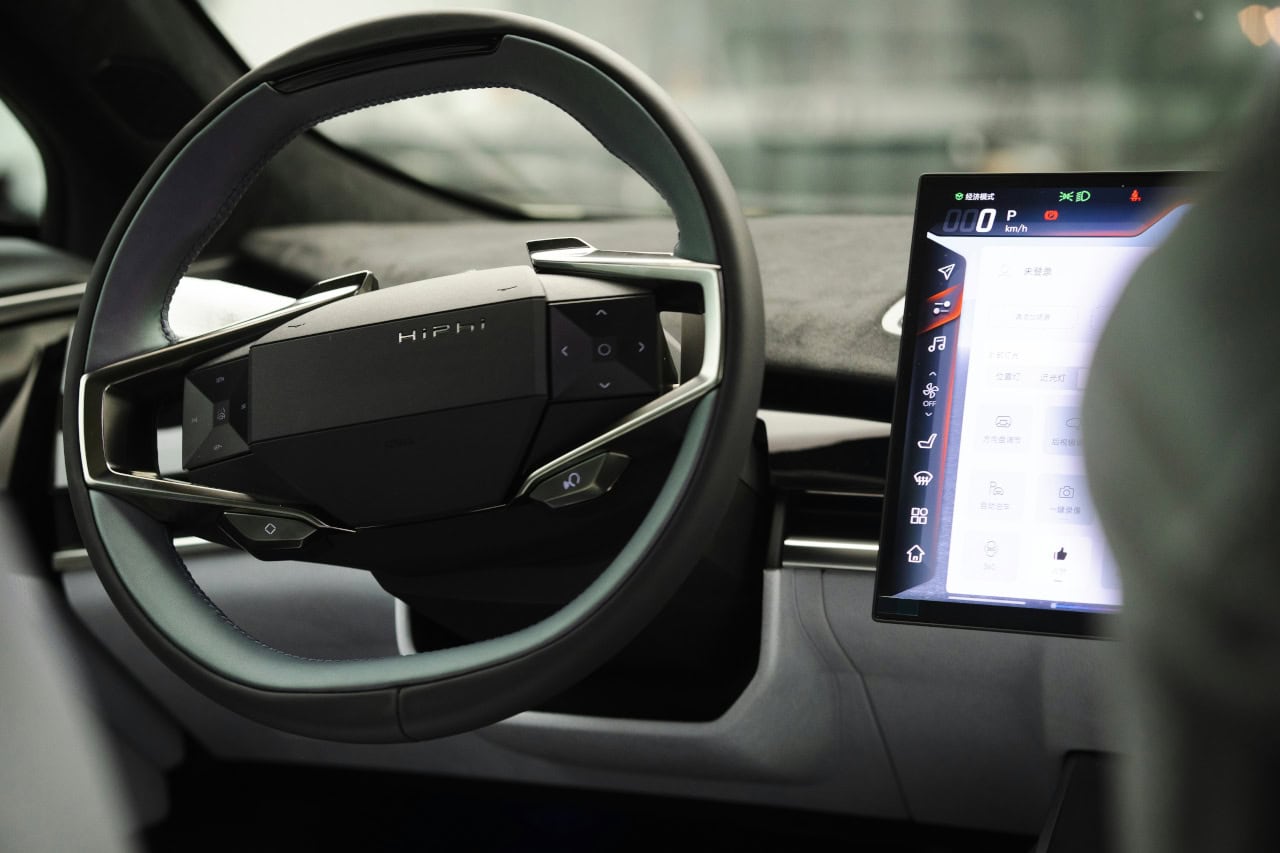
Comfort also depends on how the system behaves at its limits. Frequent alerts, late braking or abrupt handovers quickly undermine the premium experience. Try the technology in moderate traffic and listen for road noise while it operates. Check that displays remain easy to understand without dominating the cabin.
The strongest luxury systems work quietly in the background while keeping responsibility unmistakably with the person in the driver’s seat. A proper test drive should therefore include an engagement, a planned disengagement and a safe response to an attention alert. Those three moments reveal more than a polished dashboard demonstration.