


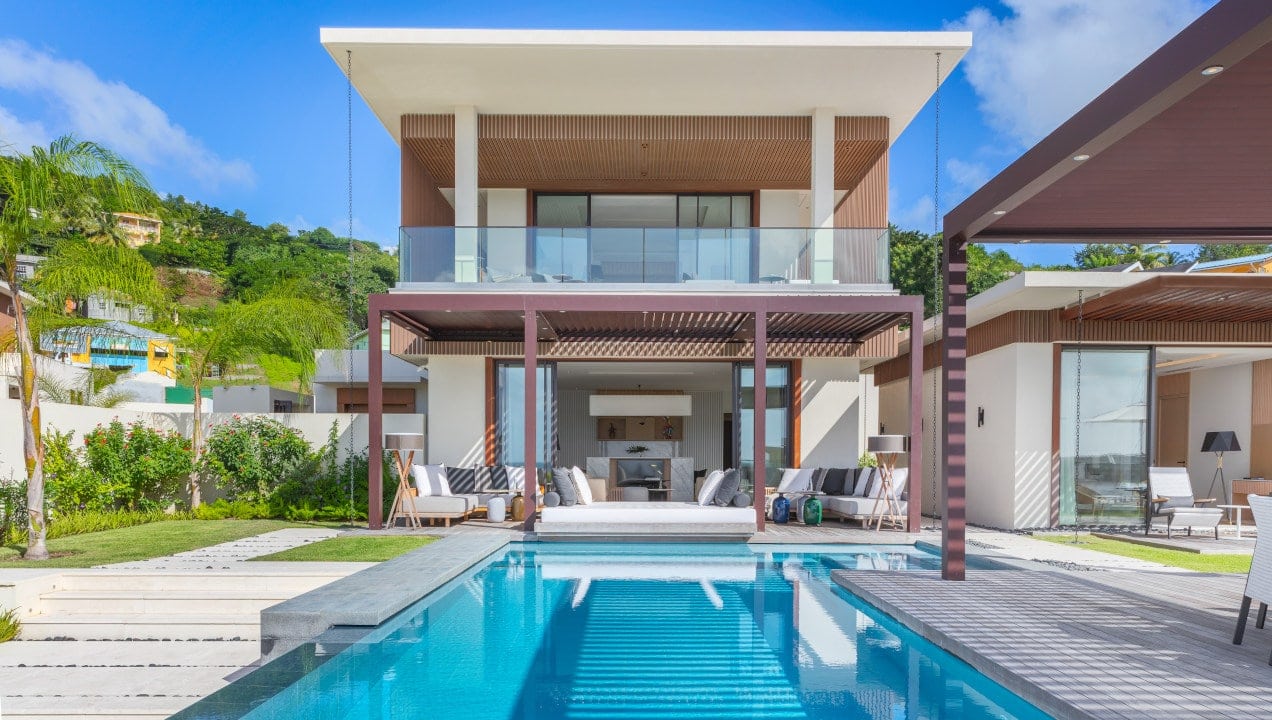
A high-end vacation rental can produce value in more ways than nightly bookings alone. Distinctive design supports premium rates, tax planning may improve near-term cash flow and a carefully maintained property can preserve capital over a long holding period.
Those benefits aren’t automatic. Luxury properties carry high acquisition costs, demanding guests and expensive maintenance. Owners need to treat architecture, operations and tax strategy as connected parts of the same investment plan. When each decision supports the others, a beautiful second home can become a more productive financial asset.
Shifting Tastes in Ultra-Luxury Travel
Affluent travelers increasingly want privacy, generous living space and experiences that feel personal. A private residence can give families or groups more room to gather while still offering the design quality and services associated with an upscale hotel. This preference has helped support the luxury rental market across established resort destinations and emerging leisure markets.
Space alone won’t command a premium. Guests at the top of the market often expect hotel-grade bedding, responsive local support and outdoor areas designed for daily use. Flexible rooms also matter. An office with acoustic privacy may appeal to a guest extending a business trip, while a media room can serve a multigenerational family during a weeklong stay.
Owners should compare these preferences with the property’s actual booking data. Track occupancy, average nightly rate, booking window and revenue per available night. Then review which amenities appear most often in guest comments and inquiries. If travelers repeatedly ask about shaded outdoor dining, for example, adding a covered terrace could produce a clearer return than installing a decorative feature with little practical use.
Market context also helps set realistic expectations. The wider vacation rental market outlook points to continued demand, but national growth doesn’t guarantee success at an individual property. Local seasonality, regulations, transportation access and competing inventory still shape performance. A premium home must solve a specific travel need in its destination.
Custom Architecture That Drives Premium Rates
Architecture creates pricing power when it improves how guests experience the property. Floor-to-ceiling windows can frame a mountain or ocean view, but their value depends on orientation, heat control and privacy. A dramatic kitchen photographs well, yet its commercial benefit comes from supporting group meals and private dining. Every major design choice should connect visual appeal with practical use.
Before starting a renovation, examine comparable listings at several price points. Look for features that consistently separate the highest-performing homes from average ones. Common examples include en suite bedrooms, quiet work areas, heated pools, outdoor kitchens and flexible indoor-outdoor spaces. Compare booked calendars as well as asking prices, since an ambitious nightly rate reveals little if the home sits empty. Owners can also borrow ideas from luxury hospitality design and property upgrades to create more memorable guest experiences and strengthen their property’s appeal.
Marketing should communicate these advantages in specific terms. A listing can state that six adults can dine comfortably on a sheltered terrace or that every bedroom has a private bathroom. Detailed floor plans, professional photography and concise descriptions help guests understand why the rate is justified. These luxury rental marketing strategies also stress the value of strong visuals, direct communication and a clear sense of what makes a property distinctive.
Keep records for each capital project from the start. Invoices, construction drawings, payment records and installation dates can support financial reporting and future tax analysis. After a major purchase, build or renovation, an owner may commission a cost segregation study to identify building components that may qualify for shorter depreciation periods under applicable tax rules. A qualified tax professional should review how the findings apply to the owner’s situation.
Accelerating Depreciation on High-End Finishes
Standard tax depreciation often treats much of a rental property as one long-lived asset. A detailed engineering-based review may separate certain qualifying components into shorter recovery categories. Depending on current law and the owner’s circumstances, that classification can move some deductions into earlier tax years.
High-end vacation homes often contain substantial spending beyond the main structure. Specialized lighting, decorative millwork, certain flooring, landscaping and dedicated electrical systems may receive different tax treatment, though eligibility depends on facts and documentation. Furniture, appliances and removable decor also tend to have their own schedules. Purchase price alone doesn’t determine classification.
Consider an owner who completes a $700,000 renovation before placing a villa into service. The project includes structural work, built-in finishes, exterior improvements, lighting and furnishings. Recording the whole amount under one broad construction label makes later analysis difficult. Itemized contractor invoices and a fixed-asset register provide a much clearer account of what was installed, what it cost and when it became available for rental use.
Timing matters because faster deductions change when a tax benefit appears, not necessarily the total deductions available over the asset’s life. That distinction affects cash-flow forecasts. Owners should ask their tax advisers how passive-activity rules, personal use, entity structure and current bonus-depreciation provisions could limit or change the result.
The practical solution is disciplined recordkeeping. Save contracts, change orders, receipts, photographs and plans in a property-specific digital folder. Update the asset register after each improvement and distinguish repairs from capital projects. This evidence also helps with insurance claims, refinancing and a future sale, so its usefulness extends well beyond the annual tax return.
Long-Term Wealth Preservation Strategies
A luxury rental should protect its physical condition while producing enough income to cover operations, reserves and financing. Build a multiyear capital plan that anticipates the replacement of major systems and premium finishes. Coastal exposure, intense sun, freezing temperatures and heavy guest turnover can shorten useful lives, so generic maintenance assumptions may understate future costs.
Set reserves according to the property itself. A home with extensive glass, an elevator and a heated pool needs a different budget from a compact urban residence. Owners can begin with expected service intervals and replacement quotes, then revise the reserve contribution after each year of actual expenses. Keeping this money separate from routine operating cash reduces the risk that a sudden repair will disrupt distributions or force expensive short-term borrowing.
Revenue strategy deserves the same discipline. Broader luxury villa booking trends show why privacy and tailored stays appeal to affluent travelers, but owners still need property-level pricing rules. Raise minimum stays during peak periods, price event dates carefully and offer selective incentives during slower weeks. Deep, frequent discounts can weaken the home’s positioning and attract bookings that don’t fit the operating model.
Revisit insurance coverage, ownership structure and estate planning whenever the property’s value or use changes. Personal stays can affect tax treatment while local rules may alter rental eligibility. A coordinated review with legal, tax and insurance professionals can reveal conflicts before they become costly.
The strongest exit strategy begins years before a sale. Maintain permits, renovation records, operating statements and asset schedules so a buyer can quickly evaluate the home. A property with documented care, stable revenue and a credible capital plan presents a cleaner investment case and gives the owner more flexibility to hold, refinance or sell when market conditions are favorable.
High-end vacation rentals reward owners who connect design decisions to measurable performance. Before approving the next major upgrade, estimate its effect on guest demand, operating costs, depreciation and resale appeal. That single exercise can separate a visually impressive expense from an improvement that supports the property for years.