


A luxury backyard should feel as comfortable and polished as the rooms inside your home. Yet fading upholstery, unpredictable weather and demanding maintenance can quickly make an outdoor space less inviting. This season’s most useful upgrades solve those practical problems while improving the way the area looks and functions.
Focus on durable furnishings, automated climate control, professional water care and a well-planned cooking zone to create a backyard that’s ready for everyday relaxation and effortless entertaining.
Next-Generation Weatherproof Furnishings
Outdoor furniture faces far more stress than its indoor counterpart. Sunlight can fade fabric, moisture encourages mildew and rapid temperature changes may weaken frames or finishes. The best replacements pair residential-style comfort with materials designed for long exposure to the elements.
Look for solution-dyed acrylic or olefin upholstery, which receives colour throughout the fibre instead of only on its surface. This construction helps fabric retain its appearance after repeated sun exposure and cleaning. Quick-drying foam allows water to pass through cushions, while powder-coated aluminum and marine-grade stainless steel provide durable frame options. Teak can also work beautifully, though it develops a silver-grey patina unless you clean and seal it regularly.
For a refined result, use one consistent colour family across loungers, dining chairs and occasional seating. You can then add interest through removable cushions, side tables and planters.
Measure the space before ordering anything. Leave roughly 90 centimetres behind dining chairs and keep major walkways at least one metre wide. Modular sectionals suit changing guest numbers, but confirm that the pieces lock together securely. Small practical details also matter, including adjustable feet for uneven stonework, washable covers and discreet storage for cushions during severe weather. These features preserve the tailored appearance that makes premium outdoor furniture feel like a lasting investment.
Automated Covers and Energy-Efficient Heaters
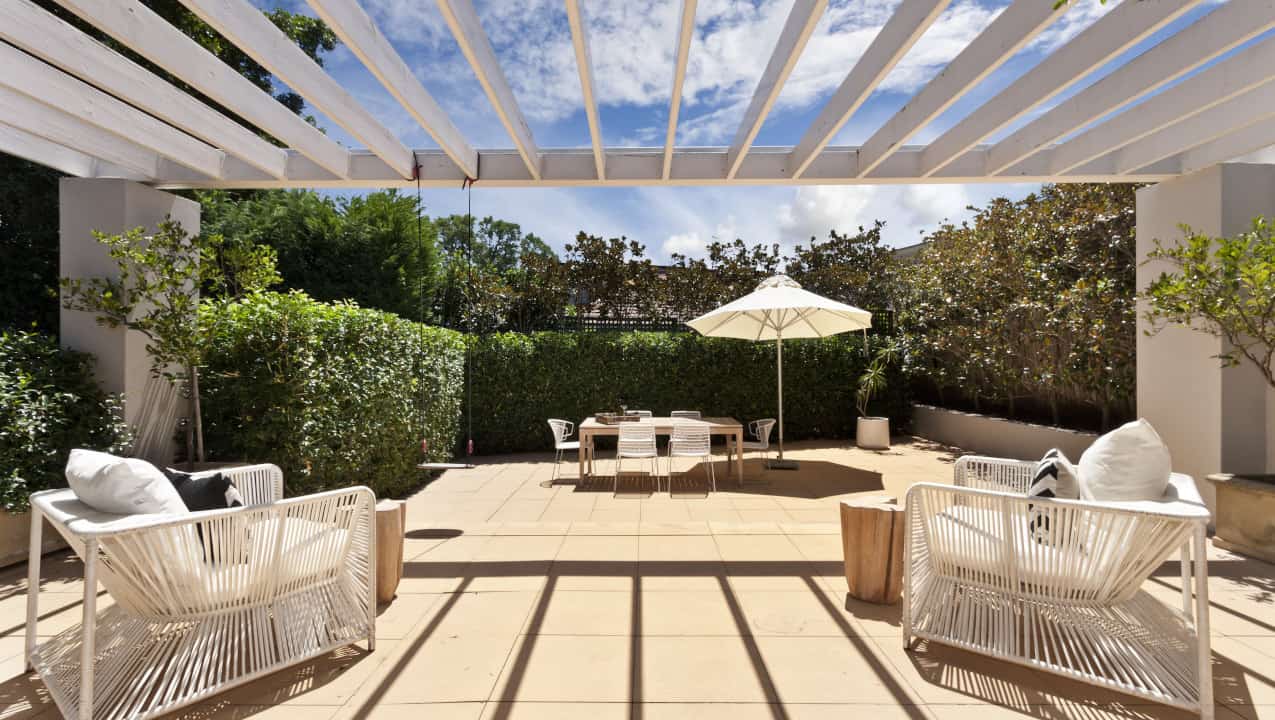
Weather protection works best when it requires little daily effort. A motorized pergola, retractable awning or automated pool cover can respond quickly to changing conditions and extend the number of hours you spend outside. Smart controls make these systems even more useful. Rain sensors can close a roof automatically, while wind sensors can retract an awning before strong gusts damage it.
A covered seating zone also improves heating efficiency because it limits exposure to wind. Infrared electric heaters direct warmth toward people and surfaces instead of trying to heat all the surrounding air. Position them according to the manufacturer’s clearance requirements and use separate control zones so you only warm occupied areas. Timers and occupancy sensors reduce wasted electricity after guests move indoors.
These outdoor season extensions include adaptable shade, lighting and heating ideas that can support year-round use. Before installation, ask an electrician to confirm that the existing panel can handle the proposed load. Dedicated outdoor circuits, weather-rated controls and correct mounting heights all affect performance.
Automation doesn’t remove the need for routine water care. If a covered pool or spa is part of the design, arrange a service that can clean your pool and hot tub before heavy seasonal use. In Katy, Texas, homeowners and commercial property managers can also schedule recurring maintenance, repairs, inspections and seasonal service. Coordinating these visits with cover installation helps technicians reach pumps, filters and access points without obstruction.
Delegating Complex Water Sanitation
Clear water can still contain an improper chemical balance, so appearance alone isn’t a reliable measure of condition. Sanitizer levels, pH, total alkalinity and calcium hardness all influence comfort, equipment life and surface quality. Testing and correcting these factors becomes more complicated when heat, rain, landscaping debris and frequent use alter the water from week to week.
Professional maintenance is especially useful when your backyard includes several connected features. A pool, raised spa, spillway and decorative fountain may have different circulation patterns even when parts of the system share equipment. A technician can check flow rates, inspect filters and identify early signs of scale or staining. That work may prevent a small imbalance from damaging tile, metal fittings or heating components.
Ask for written service records showing test results and treatments. These records make it easier to spot gradual changes, such as steadily rising calcium levels or recurring sanitizer loss. They’re also valuable when troubleshooting equipment or reviewing warranty conditions. Between visits, remove leaves from baskets, check the visible water level and report unusual noise from pumps promptly.
Water features should fit into the broader maintenance plan as well. Many lists of all-season patio essentials emphasize lighting and comfortable seating, but clean moving water also shapes how a space feels. Keep nearby plants trimmed to limit debris and choose low-glare lighting that reveals steps, edges and level changes after dark. A tidy equipment area with clear access will make every scheduled visit faster and less disruptive.
Outdoor Culinary Stations Built to Impress
A successful outdoor kitchen starts with workflow. Place cold storage, preparation space and cooking equipment in a logical sequence, then keep the main route to the house clear of hot surfaces. For example, a host should be able to carry ingredients from an outdoor refrigerator to a prep counter without crossing the path guests use to reach the dining table.
Choose cabinets rated for exterior use. Marine-grade polymer, stainless steel and properly sealed masonry handle moisture far better than indoor cabinetry. Countertops also need to tolerate heat, ultraviolet exposure and food spills. Dense porcelain and certain granites are practical options, though a fabricator should confirm that the selected slab suits local freeze-thaw conditions where relevant.
Include generous task lighting over preparation surfaces and softer ambient light near dining areas. Outlets require suitable outdoor protection, while sinks and refrigeration need accessible shut-off points for servicing. If the station sits under a roof, plan ventilation around every heat-producing appliance and follow all manufacturer clearances. Local permit and utility requirements should be checked before construction begins.
You don’t need to fill the kitchen with equipment on day one. Some easy backyard upgrades can improve function without a full rebuild. A movable serving cart, weather-resistant storage or a dedicated beverage refrigerator may solve an immediate hosting problem while you refine the permanent design.
Finish the station with details that support actual use: deep drawers for utensils, covered waste storage and enough uninterrupted counter space for serving platters. When furnishings, shade controls and water care are planned with the kitchen, the backyard works as one connected living area. The most satisfying final detail may be the simplest one, such as placing the dining table where guests can enjoy the water view without blocking the cook’s route.